Home Blog

Drones Show Promise for Site Inspections

Tests at five sites in fastgrowing Wake County, North Carolina, found that drones can save site inspectors significant amounts of time.

EROSION AND SEDIMENT CONTROL (ESC) inspectors help prevent sediment from active construction sites from being lost into aquatic environments, walking sites to ensure compliance with ESC plans by checking that erosion control measures are properly installed and in good working order. But walking large or complex sites can be time-consuming, physically demanding, and logistically challenging.

A recent study conducted in Wake County, North Carolina, examined the efficiency and effectiveness of using unmanned aircraft systems (UASs)—more commonly known as drones—for sediment and erosion control inspections. After conducting 15 field and drone inspections at five different sites, the study found that using a drone can save substantial amounts of time and still identify most noncompliant issues on a site.

Traditional Inspections vs. Drones

To conduct the study, inspectors in Wake County compared traditional methods and UAS technologies. Traditional methods consisted of a field inspector who walked the site and documented compliance issues with a point-and-shoot 20.1 MP digital camera with an 8x optical zoom. UAS inspections were accomplished with a 6K camera drone with a 7.9″ smart controller. A 6K camera drone captures twice the number of pixels as a 4K camera drone, offering better image quality even when zooming in on a subject.

The evaluations looked at five active, permitted construction sites in the Piedmont region, which is known for its clay-rich soils, rolling hills, and humid climate. These conditions can present erosion control challenges throughout a project’s duration, and the disturbed areas varied across the sites (Table 1).

Drone inspections were performed by flying the UAS, taking photos of the site (Fig. 1), and documenting all noncompliant items observed. The drone was controlled manually within the pilot’s line of sight to ensure that one inspector could conduct drone inspections, and one could conduct comparable field inspections simultaneously.

A typical flight consisted of flying the drone around the perimeter of the site at about 23 m (75 ft) above ground level with the camera angled at 45° towards the perimeter silt fence. The drone was then flown at the same height around other measures such as sediment basins and diversion ditches to take photos at different angles and positions.

The drone was then flown at altitudes of approximately 61–122 m (200–300 ft) to get comprehensive overview photos of the site. These helped document ground cover stabilization. The amount of photos taken at a 63,1310 m2 (156 acre) construction site averaged between 90 and 115. No video footage was taken; researchers found that examining still photos for noncompliant items on a computer screen following an inspection was more efficient.

default

Inspectors uploaded the UAS photos to a computer, reviewed them, and entered them into an inspection report. The drone inspection report was then compared to field inspection results generated by an inspector walking the same site, at the same time, and photographing and otherwise documenting each noncompliant item.

Each site was inspected on three different days between Jan. 19, 2023 and July 3, 2023, allowing adequate time between inspections to allow for corrective measures or additional maintenance. Inspectors then compared the number of noncompliant items observed in walking a site to the total observed on the photos captured by the drone.

Researchers compared the median percentages of noncompliant items observed, as well as the total time each inspection took; the field inspector marked the time he started to walk and the time he finished, while the drone inspector included the time it took for pre- and postflight drone checks and flight times. Time spent examining photos and creating an inspection report was also included in the total inspection times.

default

Results Reveal Time Savings

The effectiveness of observing noncompliant items with a drone inspection versus a field inspection varied by site and inspection (Table 2). The median amount of noncompliant items observed among all drone inspections was 83.3%; they typically missed issues such as minor damage to perimeter silt fences and silt fence outlets. Drone inspections identified most noncompliant sediment and erosion control measures not along the perimeter of a site.

A few drone inspections identified noncompliant measures that the field inspector had missed, including areas that required stabilization, yard inlet protection, and silt fences around lots. Most were on the two larger sites, which had a lot of active home construction sites with individual lot sediment and erosion control measures.

Drone inspections saved an average of 38.46% of the time required for traditional inspections. The least efficient inspection was 13.8% faster at the smallest site of 94,292 m2 (23.3 acres), and if this site was omitted from the study, the average time saved across all sites would increase to 42.6%. That means a two-hour field inspection could potentially be reduced to 69 minutes with the use of a drone.

The total time included the time needed to review photos and create an inspection report with photos. A typical breakdown at Site E included 88 minutes of total drone-related operations: 37 minutes for the actual drone flight and 51 minutes for photo review and report writing.

Traditional field inspection took 143 minutes, including 103 minutes walking the site and 40 minutes for the field inspector to review photos and write a report. Time spent in flight for the drone inspections was significantly less, but photo review and report writing took longer.

The Wake County study shows that the use of drones can help ESC inspectors decrease the time spent on inspections, especially on larger sites. It also shows that drones are effective at identifying most noncompliant items during inspections. UAS systems can’t replace a full-time, trained ESC inspector, but it can take years to train and develop staff.

Additional Benefits

Flying a drone for inspections reduces human exposure to dangerous site conditions such as slippery slopes, trenches, extreme heat, snakes, etc. With decreased inspection times, more inspections can be conducted, and having an increased inspector presence on-site could have a positive effect on compliance. Another benefit might be the ability to easily document and track large areas of disturbed soil that need to be stabilized within regulatory timeframes.

We wouldn’t recommend flying a drone for every inspection at every site. Instead, ESC professionals might alternate drone and field inspections. Using multiple drones at a single site is also not recommended; it would likely negate any time savings offered over traditional methods.

It can be difficult to document all of the disturbed areas on a large construction site and ensure they are stabilized within seven to 14 days—the mandated timeframes for ground stabilization under North Carolina’s Sedimentation and Pollution Control Act. Having an inspector take aerial photos with a drone and increase inspection frequency could help increase ground cover, leading to lower stormwater turbidity levels leaving the site.

Study Challenges

Training new pilots, obtaining permission from landowners and developers, and maintaining line-of-sight on large projects were the main challenges the Wake County study faced. The Federal Aviation Administration requires pilots to maintain visual line of sight of the drones they operate and limits drone flight elevation to 121.92 m (400 ft).

The state of North Carolina requires drone pilots to get permission to launch and recover drones from property owners. Privacy concerns can also be an issue when flying drones. Pilots must avoid any violations of privacy when capturing images. 

Soil type and topography may affect results; many of the sites in this study benefited from the orange soil color of the Piedmont region. Drone inspections might be less effective in areas where the soil color is less distinctive. Areas that feature more varied topography may also affect UASs’ time saved and effectiveness. Also note that this study was relatively small; larger studies are recommended.

With drone technology improving rapidly, however, UASs are likely to play a larger role in future erosion and sediment control inspections. Emerging capabilities such as drones that launch automatically from an on-site docking station and upload photos weekly show great promise for ESC inspections. The sky’s the limit!

About the Expert

Andrew Lake is an environmental consultant with Wake County, North Carolina. He has worked in water quality for more than 15 years and holds CPESC and  CESSWI certifications.

Promoting Growth

Photos of field plot establishment in the 2024 Islam et al. study: Clockwise from top left are topsoil removal, tillage and compost incorporation, established plots, and seeding.
Fig. 1: Photos of field plot establishment in the 2024 Islam et al. study: Clockwise from top left are topsoil removal, tillage and compost incorporation, established plots, and seeding.

ESTABLISHING PERMANENT VEGETATION COVER on postconstruction soils can be challenging because construction activity compacts soils and removes topsoil, leaving low-porosity subsoils with limited infiltration that are prone to runoff and erosion. These conditions restrict root growth and slow the establishment of vegetation while increasing sediment loss.

Compost amendments are commonly used to improve soil conditions and promote rapid vegetation establishment to aid stormwater infiltration and reduce erosion. Two recent studies examine compost performance in postconstruction soils in the field, demonstrating the benefits and trade-offs of compost-​based best management practices (BMPs) for erosion control.

Compost Incorporation and Vegetation Establishment

A field study in Raleigh, North Carolina, evaluated the effects of compost incorporation and vegetation type on stormwater infiltration and vegetation establishment in post-construction soils.1 Compost was applied to 15 m2 (160 ft2) field plots at 30% volume and tilled to 15 cm (6 in.) deep (Fig. 1).

The vegetation mixes, measured by seed weight, included a grass mix (50% tall fescue, 40% Bermuda grass, and 10% centipede grass), a pollinator wildflower mix (30% California poppy, 30% sulfur cosmos, 10% lance leaf coreopsis, and 30% Indian blanket flower), and a grass-wildflower mix (60% grass mix and 40% wildflower mix).

The field plots were monitored over a two-year period. Incorporating compost reduced soil bulk density and soil strength, which in turn produced infiltration rates two to three times higher than those measured in the untreated control plots.

Vegetation growth responded quickly to the incorporation of compost, meeting the 70% erosion control cover threshold within the first four months after seeding and about one month sooner than plots without compost. Grass-wildflower mixes provided rapid cover establishment, reaching the 70% threshold one month sooner than grasses and wildflowers alone. Plots with incorporated compost also maintained higher root mass density in the upper soil profile, indicating sustained improvements in soil structure and infiltration.

These findings suggest that incorporating compost is a beneficial soil restoration practice, offering benefits for vegetation establishment. Incorporating compost into postconstruction soils improves the structure of compacted soils, supporting infiltration, root development, and long-term stabilization.

Hydrologic and Water Quality Performance of Compost Blankets

The second study—a multiyear field and greenhouse study in Howard County, Maryland—examined how vegetated compost blankets (VCBs) influence runoff hydrology and water quality.2,3 In the field, 7.6 cm (3 in.) VCBs were applied over vegetated filter strips adjacent to the edge-of-pavement along a highway (Fig. 2). One VCB was 92 m2 (990 ft2), and the other was 183 m2 (1,970 ft2). VCBs slowed surface flows and increased residence time, allowing for partial runoff infiltration and storage.2 Under controlled greenhouse conditions, the thicker VCB retained up to 70% to 80% of incoming runoff volumes. Under field conditions, VCBs retained 45% to 55% of inflow volumes. Long-term field monitoring showed more variable hydrologic performance that was strongly influenced by storm size, slope, and flow patterns; larger storms created preferential flow paths and bypass of VCBs.

VCBs were effective at reducing total suspended solids in runoff, with 25% to 30% removal under field conditions and up to 80% removal under controlled greenhouse conditions relative to inflow concentrations.3 The authors suggested that the lower field performance was primarily due to differences in hydraulic conditions, including storm variability, uneven flow distribution, and partial bypass of the compost blanket.

Sediment removal improved with longer flow paths through the VCBs. Particulate-bound copper and zinc were mostly removed along with sediment. However, VCB performance showed mixed results for dissolved metals. In some cases, dissolved copper concentrations increased in runoff, likely due to the copper content of the compost itself rather than incoming runoff. Greenhouse experiments also showed dissolved metal export when particulate removal was high, indicating that the behavior of the dissolved metals was influenced by the chemistry and depth of compost.

These results indicate that compost blankets can be effective at intercepting particle-bound pollutants but may not always retain dissolved constituents. This highlights an important distinction in VCB function: Compost blankets can act as filtration and settling systems for particulates, but their influence on dissolved pollutants depends on compost materials and the underlying soils.

Fig. 2: The field site vegetated compost blankets tested measured 92 m2 (990 ft2) VCB and
183 m2 (1,970 ft2).

Implications for Erosion and Sediment Control

These studies show that compost-based BMPs are effective, but they may not necessarily be interchangeable. Compost incorporation improves soil structure by reducing compaction and increasing infiltration, supporting vegetation establishment and long-term stabilization. Compost blankets function primarily as surface treatments, intercepting sediment and particulate-bound pollutants.

For erosion and sediment control practices, the study results suggest the following:

Compost incorporation methods are best suited for areas where long-term soil function, infiltration, and vegetation establishment and performance are priorities.

Compost blankets provide effective, immediate erosion control and particulate removal, particularly where surface flow dominates.

Compost source material should be evaluated where runoff is hydrologically connected to sensitive downstream waters.

Rather than asking whether compost works, these studies point to a more practical question: Which compost application method best matches the site conditions and performance goals? When designed with slope, hydrology, and downstream sensitivity in mind, compost-​based BMPs remain a powerful tool in the erosion control toolbox.

Fig. 3: Greenhouse mesocosm experiments in the Forgione et al. (2024 and 2025) studies: Clockwise from top are plot boxes with variable slopes, a synthetic stormwater flow distributor, and runoff collection.

About the Expert

Erin Rivers, Ph.D., is an assistant professor of Crop and Soil Sciences who has expertise in stormwater management construction and postconstruction situations in the West Coast, Midwest/Rocky Mountain, and East Coast regions.

References

1. Islam, M. M., McLaughlin, R. A., Austin, R., Kranz, C. N. & Heitman, J. L. Compost incorporation and wildflowers introduction for stormwater infiltration and erosion-control vegetation cover establishment in post-construction landscapes. Journal of Environmental Management 369, 122324 (2024).

2. Forgione, E. R., Felton, G.K., Aydilek, A.H., and Davis, A.P. Hydrologic performance of vegetated compost blankets for highway stormwater management. Journal of Sustainable Water in Built Environments 10, 04024002 (2024).

3. Forgione, E. R., Felton, G. K., Aydilek, A. H. & Davis, A. P. Water quality performance of vegetated compost blankets for highway stormwater management: Particulate matter and trace metals. Science of the Total Environment 964, 178394 (2025).

Planted Protection

Table 1: Buffer Benefits A buffer’s presence helps the water, the soil, and the local fauna.

AS LAND STEWARDS, HOW we manage waterway edges is crucial to a healthy watershed. Whether a waterway is in the heart of a rural farm or the center of a bustling city, establishing riparian or urban buffers is an essential strategy for protecting natural resources. Buffers act as a “living bridge” between developed land and water, making them useful investments for farmers and urban planners alike.

A buffer is a strip of trees, shrubs, and/or grasses planted along the edge of a waterway. Riparian buffers are located in agricultural or rural areas and protect water from crop-, fertilizer-, and livestock-related runoff. Urban buffers, commonly located in towns and cities, help decrease stormwater runoff from impervious surfaces such as roads, parking lots, and rooftops.

How Buffers Protect Water

While riparian and urban buffers exist in different environments, their intent is the same: to perform as a protective shield and natural filter for aquatic ecosystems. Vegetated buffers perform the following critical functions to keep water clean and habitats safe:

  • Filtering runoff. In rural areas, vegetative buffers trap fertilizers and pesticides. In urban areas, vegetative buffers capture constituents in stormwater runoff, including but not limited to motor oil, heavy metals, road salt, and other toxins.
  • Stabilizing streambanks. Deep vegetative root systems hold soil in place to prevent erosion. Establishment keeps valuable farmland topsoil from leaving an agricultural area. In an urban setting, established vegetation protects urban infrastructure such as bridges and pipes.
  • Flood mitigation. Vegetative buffers act like a sponge, especially in urban areas. They slow high-velocity flash floods caused by rainwater runoff from highly paved and impervious areas.
  • Temperature regulation. Tree canopies along waterways provide shade that help water temperatures stay regulated. Temperature regulation is crucial for the survival of sensitive species such as trout and salmon.

Various plant species offer different capabilities for water quality control. Traditional grasses slow runoff and filter pollutants but often provide the least amount of erosion protection to streambanks. Shrubs and trees offer shade, stability, and erosion protection. If you want to establish an effective vegetative buffer, source plant species that grow well in your climate, require limited maintenance for establishment, and provide habitat for wildlife. Try to avoid non-native or invasive species. n

About the Expert

Ally Hecht is an information education specialist for the St. Charles County (Missouri) Soil and Water Conservation District.

A Handbook for Landowners and Locals

Fig. 1: The St. Charles County (Missouri) Stream Care Guide

WHETHER YOU”RE A LOCAL resident or the owner of a property near a stream, it’s important to understand the vital role of streams in water quality, recreation, and flood control. The St. Charles County (Missouri) Stream Care Guide offers essential advice for anyone involved in caring for local water resources, with practical steps for protecting and improving stream health.

Developed through a collaboration between the City of Wentzville, St. Charles County, and the St. Charles County Soil & Water Conservation District, the Stream Care Guide is a comprehensive resource for stream and watershed management. While it was designed primarily for Missouri residents, its principles and practices can be applied universally to stream care efforts across the globe.

Inside the Guide

The Stream Care Guide is structured to give landowners and the general public the knowledge to make informed decisions about stream health. It offers valuable insights into water quality, riparian protection, native plant benefits, and overall ecosystem health. Some of the core topics covered include:

  • Watersheds 101. A primer on what watersheds are, how they function, and why they matter.
  • Streams 101. An introduction to the unique characteristics of streams and rivers and their impact on surrounding environments.
  • Riparian zones. Understanding the importance of riparian buffers for stream stabilization, water filtration, and wildlife habitat.
  • Stream stabilization. Practical advice on preventing erosion, improving stream flow, and reducing sedimentation.
  • Water quality and ecosystem health. How everyday actions from land use to pollution prevention impact local water quality and the health of the broader ecosystem and community.

Shared Stewardship

One of the key takeaways of the Stream Care Guide is that stewardship is a shared responsibility. Every individual in a watershed holds a critical role in maintaining healthy waterways.

Landowners near streams and rivers have an especially important impact on water quality and environmental preservation. By implementing management best practices such as planting native vegetation along streams, reducing runoff, and stabilizing eroding streambanks, we can collectively improve local water quality, reduce flood risks, and enhance recreational opportunities for the community.

Practical Tips for Stream Health

For individuals aiming to produce tangible improvements in stream protection and water quality sooner than later, the Stream Care Guide offers a range of easy-to-follow strategies for stream and riparian zone management. These strategies include:

  • Native vegetation. Planting native trees, shrubs, and grasses along streambanks reduces erosion, filters pollutants, and provides wildlife habitat.
  • Buffer zones. Establishing buffer zones of vegetation decreases stormwater runoff and filters contaminants before they enter streams.
  • Streambank erosion control. Natural methods such as installing rock or employing bioengineering techniques are effective for stabilizing eroding streambanks.

For further guidance, the Stream Care Guide includes downloadable PDF resources offering checklists, maps, and step-by-step instructions. Use the QR code to access the guide.

Impact Beyond the Stream

The quality of local streams impacts more than just the immediate area. Poor stream health can result in decreased water quality that affects agriculture, industry, and tourism, as well as native wildlife. Additionally, healthy streams mitigate flooding intensity by retaining excess stormwater runoff, which can prevent costly damage to infrastructure.

Your Role in Stream Stewardship

Stream stewardship isn’t just about what happens on a property; it’s about being part of a larger community effort. Everyone living in the watershed—farmers, homeowners, business owners, and conservationists—contributes to the health of the streams and rivers in a region. If we work together, we can ensure that future generations continue to benefit from clean, accessible, and beautiful streams.

Stream care is an ongoing journey, and the St. Charles County Stream Care Guide is a trusted resource for maintaining healthy waterways. Even if you’re a longtime champion of stream stewardship, there are opportunities to improve your understanding and spread the word for the benefit of your community and the environment.

Embrace your role as a steward of local watersheds, and together we can keep our streams, rivers, and watersheds healthy for generations to come.

Fig. 2: The technical staff of St. Charles County’s Soil & Water Conservation District offer members
of the public the above flyer when questions arise about the streams in the area.

About the Expert

Paul Mueller is a retired erosion control and stormwater inspector with St. Charles County’s Department of Community Development and board president of the Great Rivers Chapter
of IECA.

Unlocking Land Value in FEMA Floodplains

Fig. 1: FEMA Zone A Stream

WITH DEVELOPABLE LAND IN short supply, more developers and engineers are eyeing parcels on the edge of mapped floodplains. These sites often look promising—they are close to infrastructure, near growth corridors, and seemingly outside the most restrictive floodway zones.

However, such parcels carry some of the highest entitlement and construction risks, especially when FEMA floodplain reclamation is part of the equation. After two decades collaborating with real estate developers, civil engineers, contractors, and floodplain administrators, one lesson stands out: Success hinges not on complex modeling, but on early, informed decisions and a respect for how water moves through a site.

Say you’ve found a parcel with FEMA floodplain designation and are considering reclaiming some of it for development or resale, or perhaps you’re representing a client with similar ambitions. The first question is always, “How much can I reclaim?” The answer: It depends. Here are eight things you need to consider before moving forward.

1. Flood Risk Is More Than a Map

A mapped floodplain signals real flood risk. Just because a site hasn’t flooded recently—or ever—doesn’t mean it won’t. The “1% annual chance floodplain” (often called the 100-year floodplain) means there’s a 1% chance a flood will reach that level each year. It could happen multiple times a year, or not at all for decades. For design professionals, this designation provides a minimum baseline for setting habitable structure elevations and ensuring safety.

2. Decoding FEMA Zone Designations

FEMA’s alphabet soup of zones—A, AE, A1-30, AH, AO, A99, V, VE, V1-30—can be confusing. On most projects, you’ll see Zones A and AE (Figs. 1–3). Zone A is often mapped with limited data and may lack defined flood elevations, making it unreliable for precise design. By contrast, Zone AE streams are studied in detail, with hydrology and hydraulic (H&H) models supporting the mapped risk, base flood elevations, and sometimes a defined floodway. Knowing your site’s designation is essential for responsible planning.

You should also know what level of development the site had when the study was done. Some municipalities require even detailed studies to be redone assuming full development based on zoning or planning, which can increase final water surface elevation significantly.

Fig. 4: FEMA Zone AE and CLOMR requirements flow chart

3. Local Standards Set the Bar High

FEMA requires mitigation for any adverse impact to water surface elevations, but many localities go beyond these mandates. You may need to evaluate channel velocities, stream erosion potential, valley storage, and equal conveyance. Some jurisdictions require analysis of a fully developed watershed, which can reveal more restrictive floodplain boundaries than FEMA’s maps might suggest. Identify these requirements early to avoid costly redesigns and lost development potential.

4. Plan for the Long Haul in Permitting and Coordination

Coordinating with FEMA is a process, not a checklist. Before engaging FEMA, your design must meet all local standards, which can take many months. If a Conditional Letter of Map Revision (CLOMR) or Letter of Map Revision (LOMR) is required, expect the timeline to stretch into years. Depending on the floodplain being reclaimed, the project may also need to secure U.S. Army Corps of Engineers permits, which can also take years to obtain and close out.

CLOMRs are required by FEMA in certain instances (Fig. 4), but are otherwise considered optional and up to the local floodplain administrator. They may take up to a year to coordinate through FEMA before issuing local permits, and after construction, the LOMR process with FEMA can add another 12–15 months before the flood map is officially updated. Factor this into your project strategy from the outset.

5. Cut and Fill Goes Beyond Volume Balance

Floodplain reclamation isn’t just a numbers game. While balancing cut and fill volumes looks simple on paper, real-world conditions complicate matters. Cuts and fills should occur within the same hydraulic reach to ensure flood storage is replaced where it functions. Excavated areas must connect hydraulically and activate during flood events, not become isolated depressions. Compaction requirements are stricter, construction sequencing is more limited, and erosion and maintenance risks are higher. A practical tip: Overexcavate compensatory storage slightly to account for future sedimentation and vegetation growth.

6. Let Water Do What It Does Best

Equal conveyance means preserving the natural flow of water through your site. Problems arise when flow paths are blocked by building pads, roads, or fills that prioritize convenience over hydraulics. These issues may not show up in minor storms, but they may become critical during major flood events. Successful designs maintain predevelopment flow paths and account for both minor and base flood conditions.

Pay special attention to transitions between channels and floodplain areas, where velocities and water surface elevations can change rapidly. In modeling, clear and logically spaced cross-sections that reflect actual site conditions are more effective than overly complex models.

7. Velocity and Stabilization: Protect Your Investment

Even with proper floodplain storage and conveyance, unmanaged changes in water velocity can undermine a project. Localized velocity increases often occur near culvert outlets, channel realignments, floodplain tie-ins, and roadway crossings. Stabilization measures should match the hydraulic demands of each location; overarmoring increases costs and maintenance, while understabilizing invites erosion and regulatory headaches. The best solutions combine targeted hard armor where needed with soil stabilization, revegetation, and grade control elsewhere, always considering long-term maintenance.

8. The Most Defensible Designs Win

FEMA reviewers and local floodplain administrators aren’t looking for clever solutions; they want defensible ones. Successful submittals include clear before-and-after exhibits; transparent volume and conveyance accounting; and consistent assumptions across models, drawings, and narratives. Designs that are simple to explain and logically structured are more likely to move smoothly through review. Conservative assumptions and thorough documentation can reduce review cycles and shorten approval timelines.

Developing land near a floodplain is more than meeting minimum regulatory criteria. It requires stewardship, resilience, and protecting your project and the surrounding community. Integrate hydrology and hydraulic considerations early, and FEMA floodplain reclamation can unlock land value responsibly and efficiently. Treat floodplain issues as an afterthought, and they will become sources of cost, delay, and frustration. For developers and engineers, the path to success is paved with informed decisions, practical strategies, and respect for the dynamic systems at play.

About the Expert

Thomas Caffarel, PE, CFM, is principal and head of engineering at Cardinal Strategies LLC, a global stormwater compliance management firm based in Wylie, Texas.

Train Together for Smarter Stormwater Management

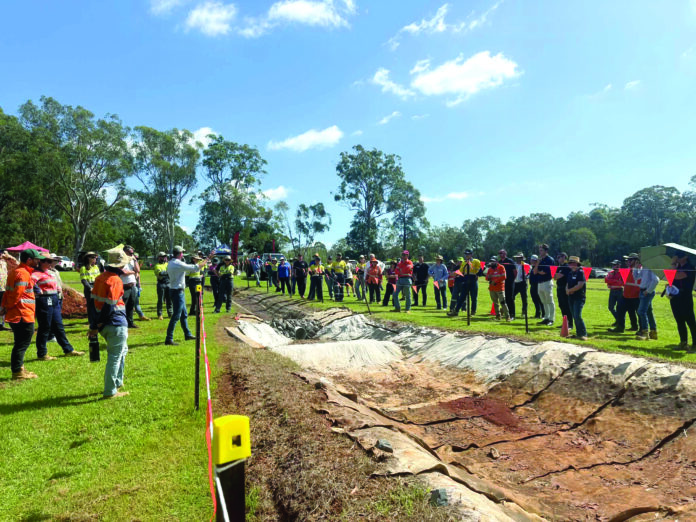
Fig. 1–2: Participants viewed interactive silt fence and inlet protection demonstrations at the 2025 workshop.

REGULATIONS AND BEST MANAGEMENT practice (BMP) manuals aren’t enough to guarantee proper implementation of stormwater management. Siloed agencies, inconsistent understanding, and limited training opportunities create barriers that technical guidance alone can’t overcome. While professional associations and academia offer thorough technical training, that training often overlooks the practical, on-the-ground challenges field professionals face daily.

For the past decade, the Auburn University Water Resources Center (AU–WRC) has addressed these gaps by partnering with municipalities, nonprofits, and organizations across Alabama to deliver interdisciplinary, regionally tailored training programs. The trainings, covering topics from BMPs and stream restoration to low-impact development, are developed alongside local partners, not for them. A collaborative approach ensures that training content reflects regional priorities, local soil and climate conditions, and the specific challenges each community faces.

Why Interdisciplinary Trainings Work

Bringing together city engineers, contractors, consultants, regulators, and nonprofit leaders creates measurable benefits, including:

  1. Building long-term professional networks. Locally developed trainings address knowledge gaps, grow industry capacity, and create opportunities for experts and vendors to share field-tested experience.
  2. Breaking down silos. When stakeholders who work on the same projects in different roles get together, “us vs. them” mentalities dissolve. Familiarity builds collaboration, and people are more likely to reach out for clarifications during design or construction.
  3. Acknowledging geographic differences. Regional use cases give professionals the confidence to implement novel technologies and BMPs suited to local conditions.
  4. Distributing funding and planning responsibility. Cities, counties, nonprofits, and academic institutions often allocate funding for education. Pooling resources helps stretch local training funds.
  5. Fostering a cultural shift toward collaborative problem-solving. Executed effectively, trainings position all participants as partners, not adversaries, in watershed health and regulatory compliance.
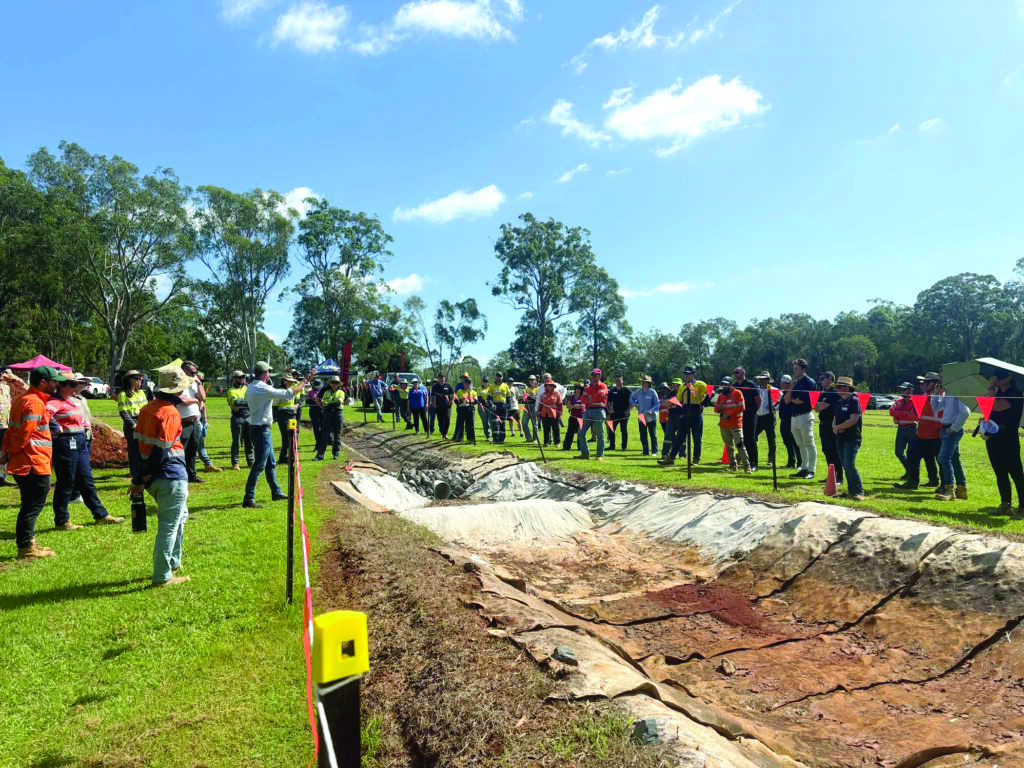
Fig. 1–2: Participants viewed interactive silt fence and inlet protection demonstrations at the 2025 workshop.

Building a Planning Team

Successful trainings start with the right people at the planning table. They should include:

  • City and county personnel. These contacts identify local needs, regulatory requirements, and political priorities. Connect with MS4 compliance, engineering, planning, and public works staff to understand the most pressing issues.
  • Universities. Departments in civil and environmental engineering, biosystems, and natural resource planning provide technical expertise and neutral convening spaces. University extension networks and campus project sites can showcase living labs for green infrastructure and restored streams, while also offering continuing education credits.
  • Contractors and builders. Field-based perspectives reveal constructability challenges, sequencing issues, costs,
    and zoning barriers designers might
    not encounter.
  • Consultants and designers. These professionals bridge regulatory codes, modeling requirements and BMP design realities, offering valuable case studies on local barriers and solutions.
  • Inspectors and enforcement staff. A regulatory presence enables joint field inspections of exemplary and problematic installations plus collaborative development of inspection checklists and photo guides.
  • Nonprofit and environmental organizations. Local organizations are well-​connected to the community and ongoing projects. Including them in trainings extends an often-hidden view of how the BMP design process works and ways to plan more effectively with diverse partners.

Elements of a Successful Training

To ensure a successful training, form a core event-planning team at least four months out from the proposed event. Four months should be sufficient to allow members to determine a topic based on regionally identified needs, establish budgets and sponsorship parameters, assign partner roles, secure dates and venues, recruit speakers, finalize the agenda, launch registration, develop marketing materials, and hold regular check-ins leading up to the event.

Plan sessions collaboratively to set clear goals. Select topics and case studies that are local or regional and address current community priorities. Build discussion and networking time into the agenda. When feasible, include field tours or hands-on demonstrations; they require coordination but deliver measurable impact.

Real-World Examples

Erosion and sediment control (ESC). As development pressures mounted in Baldwin County, Alabama, local municipalities recognized a need for improved erosion and sediment control BMP implementation. The City of Fairhope, AU–WRC, the Mobile Bay National Estuary Program, Baldwin County, and the City of Daphne collaborated to deliver a hands-on workshop covering Alabama’s ESC design guidance, inspection requirements, and BMP options.

The event culminated in a field visit to an active construction site where participants observed inlet protection, silt fencing, deflocculation, and vegetation establishment demonstrations from the Auburn University Stormwater group and the Alabama Erosion and Sediment Control Partnership. More than 70 attendees, municipal staff, consultants, nonprofit representatives, and academics participated. Sponsorships and partner fund pooling kept costs low, and Auburn University offered continuing education units for participants.

Stream restoration technology. AU–WRC, the Mobile Bay National Estuary Program, and Baldwin County hosted a one-day workshop in Spanish Fort featuring case study presentations and site visits. Speakers discussed project initiation, design, and construction, sharing lessons learned from stream restoration projects across southern Alabama. Discussion covered restoration vegetation, contractor perspectives, assessment techniques, and hydrologic modeling. Sponsorships and grant subsidies kept the fees low, and Auburn University offered CEUs. Participants included municipal leaders, engineers, landscape architects, consultants, and environmental nonprofits.

Designing bioretention. On April 20, 2023, Auburn University hosted a workshop bringing together the Cities of Auburn and Opelika to showcase how municipalities design, install, and fund green infrastructure projects. Using a “learn with us” approach, the workshop featured case studies and a site visit to Auburn’s H.C. Morgan Water Pollution Control Facility.

Participants included municipal planners and engineers, environmental consultants, riverkeepers, master gardeners, and state agency representatives. The workshop was part of a larger National Fish and Wildlife Foundation Five Star Grant initiative, “Leveraging Infrastructure Funding to Promote Stewardship” in Auburn, Alabama, which involves AU–WRC, the AU Bee Laboratory, Lee County Girl Scouts, and Westervelt Ecological Resources.

Nature-based stormwater solutions. AU–WRC and the Mobile Bay National Estuary Program hosted a two-day workshop in which participants learned about green infrastructure from a project manager with the City of New Orleans, which has a mandate to integrate green infrastructure into new site designs to reduce flooding.

Practitioners; municipal staff; and representatives of local and regional government, nonprofits, and state agencies reviewed a range of case studies and project funding options before exploring two city-owned properties in Baldwin County to consider how nature-based stormwater solutions might be applied. On Day Two, participants worked in teams to develop integrated stormwater plans for each site. CEUs were offered, and cost-sharing kept the event affordable.

Participants illustrated their visions for nature-based stormwater solutions on practice sites at the 2023 workshop.

The Power of Presence

Effective erosion and sediment control doesn’t mean perfect BMPs on paper; it’s about having the right people in the same room, learning how to make practices work on the ground. When city engineers sit next to contractors, when regulators dialogue with developers, and when university researchers share their findings with field professionals, something shifts. Trust builds, solutions emerge, and watersheds benefit. Interdisciplinary trainings can do more than transfer technical knowledge; they can transform how communities approach water management.

About the Expert

Laura Cooley is an outreach project manager with the Auburn University–Water Resources Center and provides leadership on environmental planning, decision-making, and restoration initiatives involving multiple agencies. She facilitates trainings in green stormwater infrastructure and watershed planning.

Putting Down Roots

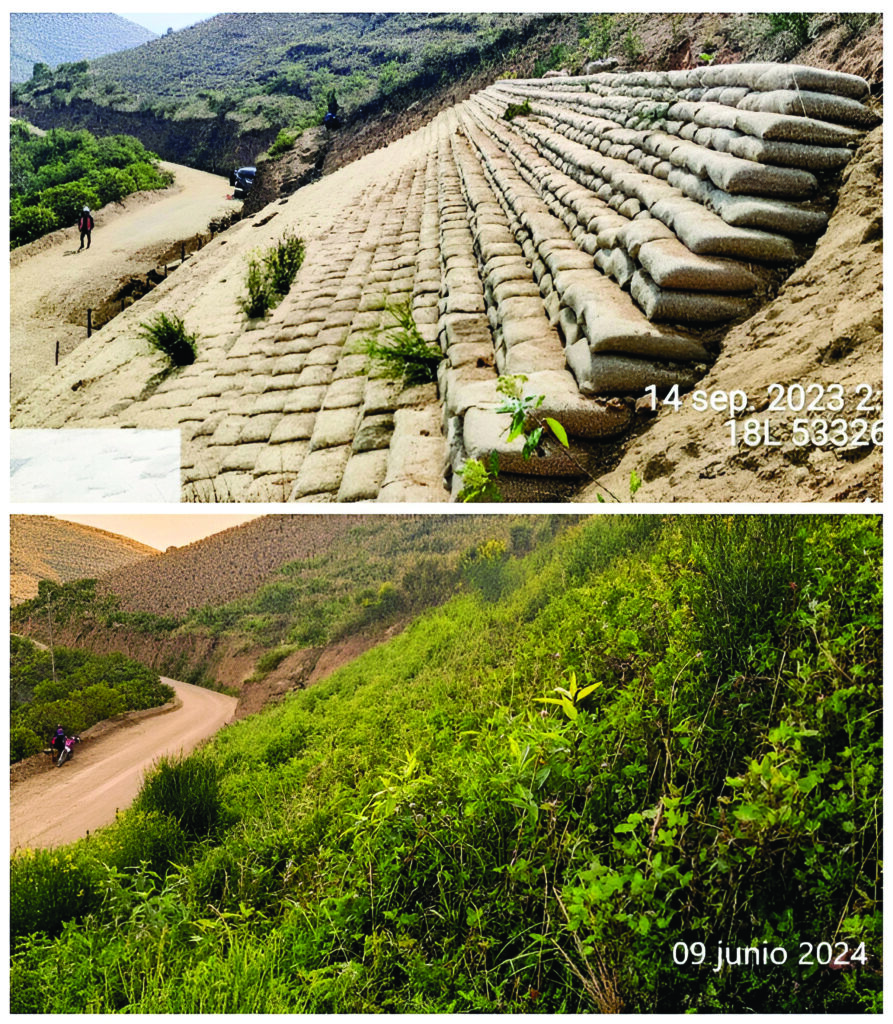
Hardy vetiver grass proves useful for erosion control in southern Oaxaca, México

OAXACA IS THE FIFTH-LARGEST state in México, the country’s first in cultural and biological diversity, and home to 14 distinct indigenous peoples and 23 distinct languages (Fig. 2). It is approximately the size of Portugal and almost twice the size of Costa Rica. It contains 80% of the vegetation types present in México (more plant diversity than Europe), and its climates range from semi-desert to tropical rain forest. Much of Oaxaca’s original forest is intact.

Oaxaca is a Spanish adaptation of the náhuatl word Huāxyacac—a name imposed by the conquering Aztecs that means “place where the huaje tree (Leucaena leucocephala) grows.” The state is mostly mountainous and experiences serious erosion problems resulting from land use conversions including road cuts, fill slopes, new construction, cultivation, grazing, and timber harvesting (Figs. 3–5).

Most of the state has two seasons: rainy and dry. During the rainy season, heavy rains exacerbate erosion problems. Most of the land development addressed in this article has been completed at the municipal or local level, while the federal government in México City is responsible for developing and maintaining the federal highway system.

Long-term source control at the local level is often inadequate, requiring repeated repairs and maintenance. Slope failures occur on a continuous basis due to poor engineering and lack of proper drainage assessments, especially along road cuts. Some sections of road are rebuilt year after year; cuts often go ignored, with eroded and unconsolidated material pushed over to the fill slope.

The typical hard-​engineered erosion control methods implemented in Oaxaca include gabions, rock fall netting, geotextiles, and concrete. Underappreciated and rarely used are biotechnical (vegetative) methods, alone or in combination with other structural solutions.

A Potential Biotechnical Solution

Vetiver is a tufted, fibrous, deeply rooted, and fast-​growing perennial grass native to southern India. It has been used for biotechnical engineering and erosion/sediment control for decades. The genotypes in circulation don’t produce seed or don’t produce viable seed.

Due to its non-stoloniferous, non-rhizomatous root structure and lack of seed production, the vigorous and highly adaptable plant is noninvasive. Vetiver therefore poses no threat to native plant communities and can contribute to their natural reestablishment.

Vetiver’s stiff leaves and stems provide a perfect barrier to sediment while established roots (up to nine feet) act as a subterranean retaining wall and stabilize slopes, providing both erosion and sediment control. It can be used by itself or in conjunction with other methods, such as rock, gabions, and geotextiles. In many applications, simple tools such as shovels, ladders, and ropes may be all that’s needed to get it established.

Vetiver grass has been planted extensively worldwide in tropical and subtropical climates and can be found in Louisiana, Florida, and Texas in the United States, where deep freezes don’t occur. It has also been used in Brazil, China, the Democratic Republic of Congo, Australia, Indonesia, Venezuela, Vietnam, Thailand, India, the Philippines, Senegal, Zimbabwe, Nigeria, Colombia, El Salvador, Nicaragua, Guatemala, and Costa Rica. It made its debut in Oaxaca, México, more than 25 years ago.

Growth Characteristics and Adaptability

Soils. Vetiver has a tolerance to a wide range of soil types with pHs ranging from 3 to 11. It thrives in a variety of soil textures, from coarse gravel to decomposed granite to fine and shifting sands to clay. It can grow in saline and sodic soils, soils with very high manganese and aluminum content, and soils with high concentrations of heavy metals.

Moisture. Although vetiver is hydrophilic and needs watering to establish in dry climates, it can tolerate long periods of drought; its stems die back, but the roots persist. In a climate that has two distinct seasons (drought and rain), it’s best to plant vetiver about a month before the rainy season starts if regular watering or irrigation isn’t feasible. It can also tolerate prolonged periods of inundation.

Shade. Vetiver is not shade-tolerant. This can be advantageous if used as an erosion control “nurse” crop, with the natives colonizing after stabilization has occurred, shading out the vetiver plants.

Other characteristics. Vetiver has an ability to repel pests thanks to compounds such as nootkatone in its roots. The oils repel ants, ticks, and termites. The plant can control the larvae of stem borer corn moths and inhibit destructive nematodes. Field investigations show that vetiver barriers planted around corn can act as a reservoir for beneficial insects.

Vetiver’s coarse fibers can be woven into baskets, and its leaves can be used as an alternative to palm fronds for thatched roofs (palapas). The roots are fragrant, and the plant’s essence, often called false patchouli, is an ingredient in the well-known perfume Chanel No. 5. Vetiver can be made into wreaths or planted and pruned as an ornamental hedge.

Vetiver can be planted in rows along flow lines to direct or concentrate runoff instead of enhancing infiltration. It is mycorrhizal, and its roots can serve as a source of inoculants in soils lacking spores or hyphae. Vetiver is effective for phytoremediation, wastewater treatment, and wetland restoration where water quality has been compromised. Research carried out by Dr. Paul Truong shows that absorption by the vetiver plant can dramatically reduce pollutants.

Installation. Tillers (Fig. 6) are typically used on slope stabilization projects. Since vetiver does not spread by the roots, tillers need to be closely spaced, +/-6 in apart (+/-15 cm). Only a shallow ditch is needed—4 to 6 inches (10 to 15 cm) in depth and 4 in. (10 cm) wide. Trenches should be prewatered and tillers placed so that the crowns of the plants are flush with the soil surface, back-filled with moist soil, and watered until the tillers are well rooted.

This work and publication was conducted in collaboration with Larry Woelfel (Bahias de Huatulco), Roley Nofke (South Africa), Norma Perez (Bahias de Huatulco), Leslie Yerrington
and Barry Logan (Pluma Hidalgo), and Larry Turk (Reno, Nevada). For more information, visit vetiver.org.

Frequency and volume of irrigation will vary with climate, aspect, soil type, and season. Once established with several feet of stem growth, the stems can be cut close to the crown to encourage new tillers to reproduce laterally. Stems can be used as mulch and bundled into fascines (Fig. 7).

On-site in Oaxaca

In 2013, WBS purchased a box of bare-root vetiver tillers from Benemérita Universidad Autónoma de Puebla (Fig. 8) and reinitiated its use along the coast by establishing several small nurseries and projects. The intent was to increase vetiver’s use through broader distribution and education.

Small projects were implemented in 2013, and training workshops began in 2015 on steep slopes at small organic farms and in the coffee-growing region of Pluma Hidalgo. Pluma is an area that has been inhabited relatively recently, and it suffers from severe slope failures that result in property loss, road closures, decreased productivity, and almost constant road repairs.

Rural Schools

Since 2020, 10 projects have been completed, many benefiting rural schools. In Puente Todos Santos, schools tend to stand on donated land and have small footprints that lead to steep cuts and fills. Stabilization is typically an afterthought.

Recycled tires are a common erosion control method; they can be backfilled and planted with vetiver and other horticultural species. Watering was necessary for establishment at these sites, since the projects were implemented in the dry season. Training workshops in 2021 and 2023 allowed additional plantings at the top of the fill slope.

Small Organic Farms

Government-supported programs assisted two ranchos (small farms) to develop organic produce through SEMARNAT (Secretaría de Medio Ambiente y Recursos Naturales, or Secretary of the Environment and Natural Resources) with sustainable projects.

Two small farms of approximately 3.5 acres (1.4 ha) each received planting support. One farm planted vetiver hedgerows in newly cleared fields; the more developed site got top-of-slope vetiver erosion control plantings and hedgerows. Both farms had supplemental irrigation available through wells and gravity flow. Additional assistance included the establishment of compost piles for soil enrichment and planting seedling flats with organic seed.

Additional Parcels

On the steep slopes of Pluma Hidalgo, tillers were planted at the top of a cut slope in an effort to prevent slope failure and the loss of limited cultivable property. The fill slope is approximately 2:1 and the cut is vertical; in addition to planting and irrigating to allow for plant establishment prior to the rainy season like the two rancho plantings, fascines were tied with vetiver stems and placed in the trenches behind the tillers. On the lower fill slope, the fascines were intended to support the back wall of the trench, while on the upper slope, they served to increase infiltration.

Montecito. At a luxury development of high-end houses overlooking the Pacific Coast, the developer chose to use vetiver to stabilize 2:5:1 fill slopes instead of a hard engineering solution such as gabions, terraced retaining walls, or concrete. Highly successful technically, the installation also resulted in substantial savings for investors and developers. No erosion has been noted since installation.

Fig. 8: Projects at rural schools and ranchos helped establish vetiver for erosion control.

About the Expert

Julie Etra, MS, CPESC, is president of Western Botanical Services (WBS) Inc. in Reno, Nevada.

Rebuilding a Resource

Texas DOT’s enhanced Interactive Approved Product List takes the guesswork out of specification

IN THE 1980S, THE Texas Department of Transportation (TxDOT) didn’t have a consistent, statewide evaluation program for erosion control products. Only two products met the standard specifications for erosion control blankets, and others were excluded from bids due to material-based requirements. To address these limitations, the agency explored alternatives that would establish a fair, performance-based system for selecting and specifying erosion control products.

In 1993, TxDOT transitioned from material specifications to performance-based standards. The shift marked the beginning of a formal performance testing program, implemented through an interagency contract between the State of Texas and the Texas A&M Transportation Institute (TTI) Sediment & Erosion Control (SEC) Laboratory.

Products approved for use by TxDOT were evaluated at the TTI SEC Lab and confirmed to meet TxDOT soil-loss thresholds and vegetation establishment requirements before being placed on the TxDOT Approved Products List (APL).

Starting in the mid-1990s, the APL existed as a static document, hosted online but updated only when products passed TxDOT thresholds. Listings were organized alphabetically and by basic filters such as slope and soil type, which often required end users to conduct additional research to obtain detailed product information. Furthermore, users couldn’t compare performance data from TTI’s SEC Lab evaluations, limiting the list’s utility.

To address these limitations, TTI launched the Interactive Approved Products List (IAPL) in 2021. The interactive, web-based tool identifies products approved for TxDOT use and enables designers, engineers, and other stakeholders to filter selections based on site-specific conditions. Initially developed in Tableau—a platform designed for visual analytics—the IAPL quickly grew in complexity. More products and filtering capabilities were added, and a need emerged for a more robust, scalable solution.

A New Database Debuts

In 2025, ITT rebuilt the IAPL completely using the Shiny for Python application to offer enhanced flexibility, efficiency, and creative functionality. The updated platform offers faster performance, mobile-friendly access, real-time updates, and an intuitive user interface designed for ease of use in field and office environments—wherever the selection of appropriate erosion and sediment control products is needed.

Key filtering capabilities include:

  • Product application. The IAPL’s first filter allows the end user to sort by the two main erosion control product applications: slope or channel protection.
  • Product type. This filter sorts for hydraulic erosion control products (HECPs), rolled erosion control products (RECPs), and hydromulch for seeding, aligning with corresponding TxDOT standard specification item numbers.
  • Slope and soil type. An end user can specify site conditions such as slope ratios (e.g., 2:1, 3:1, 4:1) and soil classifications (clay, sand).
  • Desired longevity. Based on definitions provided by the Erosion Control Technology Council, an end user can sort products that meet specific longevity requirements—for example, up to 12 months.
  • Shear stress. When selecting a channel erosion control product, the end user can filter for products approved under specific shear stress conditions, ranging from 2 pounds per ft2 (95.76 pascals) to 8 pounds per ft2 (383.04 pascals), ensuring suitability for anticipated hydrology.
  • Wildlife-friendly options. If a design engineer needs to meet certain wildlife standards, users can select products that minimize wildlife entrapment risks according to the U.S. Fish & Wildlife Service.

The IAPL’s data architecture was also modernized in 2025 using the Flask framework for Python, which facilitates immediate publication of new product approvals and streamlined coordination between TTI and manufacturers. This upgrade improves data organization and facilitates updates on product photos, web links, and name changes, saving time and reducing administrative burdens.

TTI is now collaborating with TxDOT to expand the IAPL to include sediment control products. Current research focuses on establishing performance thresholds for these products, which are evaluated for parameters such as change in flow rate, turbidity, and total suspended solids. Categories tested at the TTI SEC Lab include Concrete Approach Drop Inlet, Curb Inlet Protection, Perimeter Protection/In-Stream, and Soil Approach Drop Inlet. The TTI SEC Lab can also test dewatering bags and turbidity curtains, which may be added to the IAPL in the future.

Silt fences approved by TxDOT will soon be included on the IAPL, though TxDOT approves silt fences based on material rather than performance specifications. A dedicated sediment control tab is available on the IAPL for users to reference what products have already been tested.

Although developed for TxDOT’s APL, the IAPL website is publicly accessible and a valuable resource for private-sector engineers, contractors, and designers seeking performance-​based product information. While the IAPL reflects TxDOT standards, users should be aware that other states
may maintain their own approved product lists with different performance criteria
and specifications.

Access the TxDOT IAPL here: iapl.tti.tamu.edu/iapl.

About the Experts

Joshua Bell is a research specialist II at TTI’s Sediment and Erosion Control Lab. He has expertise in water quality, vegetation establishment, and product performance testing.

Jett McFalls is a research scientist at TTI’s Sediment and Erosion Control Lab. He has led numerous vegetation and water quality studies as principal investigator and has served actively on IECA subcommittees since joining the association in 1990.

How to Protect Downstream Water

How to Protect Downstream Water

PRETTY MUCH EVERYTHING CONTRACTORS do to minimize erosion and capture sediment on a construction site in Alabama is done to protect the receiving water downstream—in many cases, a small stream or creek. Why is it so important to protect these streams?

Sediment degrades aquatic habitats, and turbidity restricts light and aquatic plant growth. This disrupts the food chain and impairs fish and aquatic insect populations. Suspended sediment reduces visibility and affects fishes’ ability to feed and breathe, making the habitat favor pollution-tolerant species such as carp and suckers over sportfish such as bass and bream.

Finally, sediment carries pathogens, nutrients, and toxic materials such as heavy metals and chemicals into waterways. Such pollutants affect drinking water and surface water quality, contributing to higher water treatment costs, fish consumption advisories, and oxygen-depleted (anoxic) zones. These are commonly known as “dead zones” in the Gulf of Mexico.

Minimizing erosion on a construction site must follow a few simple principles:

  • Minimize bare soil areas and the time bare soils are exposed;
  • Slow runoff water so that soil particles are not detached and transported offsite;
  • Vegetate at every opportunity; and
  • Keep the clean water that enters a construction site clean.

Crews can install practices that capture sediment by:

  • Slowing or “ponding” runoff to allow coarser soil particles to settle;
  • Allowing time for smaller suspended soil particles to settle;
  • Using flocculants to bind sediments and limit turbidity; and
  • Using barriers and other common sediment control practices.

While most of our erosion and sediment control practices protect the stream downslope of a project, there are some that have more immediate effects.

Temporary Stream Crossings

Many construction sites (especially linear projects) have streams that traverse a project, and it is important to keep their water clean by avoiding the introduction of sediment or turbid runoff. To prevent construction equipment from crossing a stream bed or damaging the stream channel and banks, use a temporary stream crossing.

Temporary bridges are often the best alternative; they can be used to allow construction equipment to cross with minimal effect on the aquatic environment (Fig. 2). The opening under the bridge should be designed to convey the runoff from at least a two-year, 24-hour storm if no other parameters are specified.

Stream Diversion Channels

Streams that cross projects may also be contained within a large culvert or bridge as part of a construction project. A stream diversion channel can be used to bypass the stream through the project while construction is underway (Fig. 3). It is important for the stream diversion channel to be sized properly to safely pass the bank-full capacity of the existing stream.

To minimize detrimental effects to the environment and the aquatic community, a stream diversion channel should be installed quickly and carefully, maintained well, and removed as soon as possible after the construction area is stabilized. Plan and install a stream diversion channel in a manner and timeframe—dry season—that minimizes impact to fisheries and the aquatic environment. Specify a sequence of construction in the contract work.

When culvert installation is part of a project, remember that there might be aquatic organisms that need to travel drainageways even in intermittent streams. If your culvert outlet has a minimal overfall, small aquatic animals could be blocked from the migratory paths needed to sustain their lifecycles (Fig. 4). Consider using larger culverts that are placed to avoid overfalls, bottomless culverts that allow for the stream bottom to cross under the roadway, or even a small bridge.

Stream Bank Protection

Stream banks inside a project or downstream of a project often become unstable and need attention to keep mass erosion from occurring. Stream bank protection may be vegetative, structural, or a combination of the two. Consult a design professional to design a stable stream bank and stream.

In my experience, the toe or bottom of the stream bank must be stabilized for the entire bank to be stable. When the toe of the slope gets undermined due to erosion, the stream bank will usually fail.

Buffer Zones

Finally, think about the buffer or riparian zone area next to the stream and concentrated flow areas. Vegetated buffers provide stream bank stability, reduce scour erosion, reduce storm runoff velocities, remove some sediment from stormwater, and provide flood storage. Protecting, enhancing, and maintaining these areas provides a buffer between landscape changes and the living waters.

Concentrated flow areas in the landscape can be anything from a roadside ditch to a river. The land adjacent to the concentrated flow areas needs vegetative cover; riparian areas provide the last line of defense against nonpoint source pollution from entering stream waters.

There is no justification for spraying roadside ditches and stream banks with herbicides—or worse, diesel fuel—to kill vegetation (Fig. 5). Make it a central point in your daily routine to help others understand the importance of the natural “living filter” vegetation provides around concentrated flow areas.

It isn’t difficult to protect streams from the erosion and sediment that might leave a construction site—put forth the effort and remember that you can’t just do things “the way you’ve always done them.” You can instead choose a new or different strategy to accomplish the job and protect the environment.

Many of these concepts are captured in the “Erosion and Sediment Control Tips” section of the Alabama Soil and Water Conservation Committee’s blog. Scan the QR code to visit the site and learn more.

About the Expert

Perry L. Oakes, PE, is erosion and sediment control program coordinator for the Alabama Soil and Water Conservation Committee and the former state conservation engineer for the USDA–Natural Resources Conservation Service in Alabama.

The Future of IECA

Samantha A. Roe, IOM IECA Chief Executive Officer

AS THIS ISSUE OF Environmental Connection reaches you, many of us have returned from Fort Worth energized, inspired, and reminded of why IECA matters so deeply to our profession.

Conferences give us a moment to pause and reflect. What stays with me after Fort Worth is not just the strength of the education or the vibrancy of the Expo Hall, but the clarity about where the International Erosion Control Association is headed. IECA is entering a new chapter—one defined by connection, relevance, and global alignment.

Over the past several years, we have laid important groundwork to position the association for the future. We have invested in modern systems, refreshed how we present ourselves to the world, and strengthened the infrastructure that supports our members. These efforts are intentional and strategic; they allow us to move forward with confidence rather than simply respond to change.

Looking ahead, our focus is clear: IECA will continue to be the trusted global leader in erosion and sediment control, stormwater management, and environmental protection. That leadership will be reflected not only in the technical excellence of our education and certification programs, but also in how we connect members across regions, disciplines, and generations.

The future of IECA is collaborative. Environmental challenges don’t stop at borders, and neither can our solutions. As a unified, global organization, we are better equipped to share knowledge, elevate best practices, and support professionals wherever they work. This global perspective strengthens every local chapter and every individual member.

The future of IECA is also innovative. We will continue to expand learning opportunities, explore new ways to deliver content, and leverage technology to make engagement easier and more meaningful. Our goal is simple: Membership in IECA should add clear, tangible value to your professional life.

Equally important, the future of IECA is grounded in people. Our volunteers, chapter leaders, instructors, and staff are the foundation of this organization. Their expertise, generosity, and commitment drive everything we do. As CEO, one of my priorities is to ensure that IECA remains an organization where leaders are developed, contributions are recognized, and diverse voices are welcomed.

The Fort Worth conference was an important milestone, not a finish line. It was a moment of alignment and momentum. What comes next is continued growth, thoughtful evolution, and a shared commitment to advancing our profession. Thank you for your engagement, your trust, and your belief in what IECA can be. The future is being built now, and I am excited to continue shaping it together.

Samantha A. Roe, IOM

Chief Executive Officer, International Erosion Control Association (IECA)

MOST POPULAR