
A United States Policy Overview
The ancient technology of porous pavement, now a Green Infrastructure (GI) technology, allows stormwater to pass directly through into an underground aggregate reservoir, where it can be naturally filtered and slowly returned either to the existing stormwater infrastructure or, as Bruce K. Ferguson, the author’s professor at the University of Georgia (United States), said, “Get it back into the ground where it belongs.” This simple yet revolutionary concept directly confronts the environmental legacy of our modern paved world.
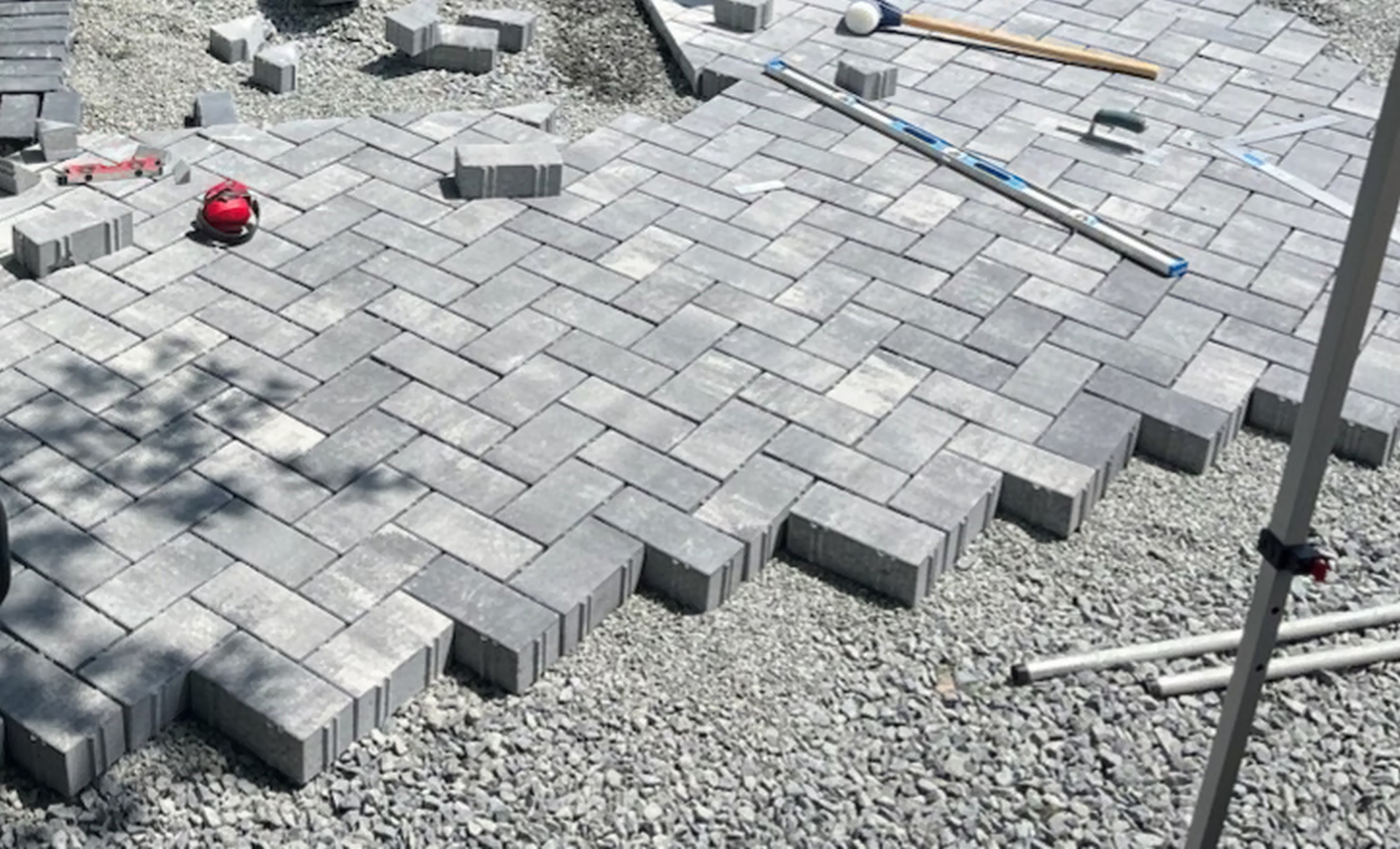
The widespread adoption of this technology is the direct result of a fundamental shift in policy. This framework effectively requires developers and public agencies to mitigate the environmental impact of impervious surfaces, which positions porous pavements as a premier, multi-benefit solution. By simultaneously providing a durable, usable surface and a high-capacity stormwater management system, porous pavements have become an indispensable tool for modern, sustainable development (Figure 2).
Two primary models for crediting porous pavement have emerged and are shaping how projects achieve compliance across the United States. States are increasingly adopting built-upon area (BUA) credit systems to incentivize permeable pavement use. The first credit model is a system of fixed mitigation ratios of porous pavement to impervious area, such as roofs, parking lots, roadways, etc. The second credit model is a system of performance-based standards that rewards design innovation by requiring the porous pavement design to manage a specific volume of runoff. An examination of jurisdictions across the country reveals a diverse tapestry of these approaches, each tailored to unique regional challenges and priorities.
The Regulatory Framework and Mechanics of Mitigation
At the project level, this requires enumerating and offsetting new and possibly existing impervious surfaces with porous pavement systems with a deep, open-graded aggregate
storage bed. This has become a premier tool for achieving mitigation. Jurisdictions credit
these systems through two primary BUA credit system models:
- Fixed Mitigation Ratios: This prescriptive approach offers developers clarity and predictability. It establishes a straightforward ratio, such as 1:1, where one square unit of porous pavement fully offsets one square unit of impervious area. While simple to implement, this model may sometimes fail to account for unique site conditions that might warrant a more tailored solution.
- Performance-based Standards: This flexible, outcome-driven model focuses on achieving a specific retention goal. Instead of a fixed ratio, a project must demonstrate
through design calculations that its system can capture and infiltrate the required volume of runoff. This is typically the “water quality design storm” or “first flush” (e.g., the first 1 or 1.5 inches [2.5 to 3.8cm] of rainfall). This approach encourages innovation and often leads to de facto ratios.
A National Tour of Jurisdictional Policies
The application of these system credit models varies significantly, tailored to regional climate, geology and environmental priorities.
East Coast
- Maryland: As a pioneering state, Maryland’s Environmental Site Design (ESD) mandate sets a high bar. Montgomery County’s RainScape Program exemplifies a clear, ratio-based approach, offering a 1:1 credit for porous pavement with verified infiltration.
- Pennsylvania and New Jersey: Following a similar path, Pennsylvania’s statewide BMP Manual guides local policy. The City of Philadelphia, through its ambitious “Green City, Clean Waters” program, offers a 1:1 offset for high-performing systems designed to infiltrate 90% of annual rainfall. New Jersey’s stormwater rules have evolved to explicitly mandate the use of GI.
- New York City (NYC): Facing immense pressure from combined sewer overflows, NYC employs an aggressive 1.5:1 ratio, requiring a 1.5-unit area of permeable surface for every 1-unit area of new impervious in critical zones.
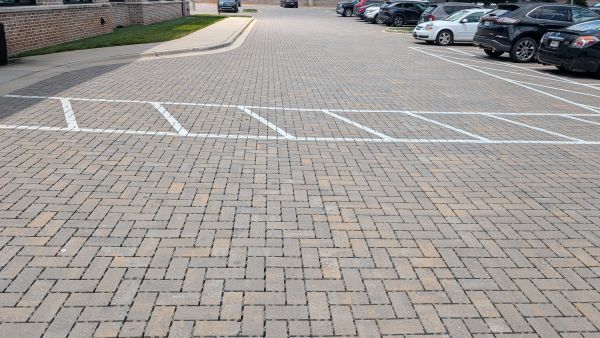
- North Carolina: The stormwater design manual for the North Carolina Department of Environmental Quality states that “infiltrating permeable pavement is considered as 100% pervious” for the purpose of BUA calculations and reducing the volume of stormwater. The Charlotte Stormwater ordinance grants 1:1 BUA credit ratio for infiltrating porous pavement meeting state standards. (Figure 3).
Midwest
- Minnesota: The Minnesota Pollution Control Agency (MPCA) requires porous pavement designs to retain the 1.1-inch water quality storm. The MPCA manual has critical specifications for freeze-thaw resilience, such as requiring deeper aggregate bases (1 in or 30 cm) to prevent frost heave.
- Illinois: Chicago also uses a performance-based standard and requires developments to retain runoff from a 1.5-inch (3.8-cm) rainfall event. Chicago’s internationally recognized Green Alley Program has retrofitted over 300 miles (480 km) of alleys with permeable surfaces. It stands as a testament to city-scale implementation and its dual benefits of stormwater management and neighborhood revitalization.
Southeast
- Georgia: Atlanta employs a flexible, outcome-driven BUA Credit System where projects must manage runoff to match pre-development hydrology, which makes site-specific design calculations paramount.
- Florida: Regulation is complex, managed by the state’s Department of Environmental Protection and powerful regional water management districts. This regulation has effectively made low-impact development (LID) and GI standard practice in urbanized areas.
- Alabama: While state-level mandates are emerging, local initiatives in cities like Mobile and Birmingham are beginning to incorporate LID principles to address local flooding and water quality issues.
Northwest
- Washington: Both the eastern and western state stormwater management manuals recognize permeable pavements as a preferred practice, granting a 1:1 mitigation credit that can drop to 0.5:1 in areas with little infiltration capacity. Seattle’s code requires systems to manage the runoff from a specific six-month, 24-hour storm event.
- Oregon: Prioritizes porous pavements to protect key watersheds. Portland’s “Green Street Policy” requires permeable surfaces in public projects and offers a 1:1 ratio for private systems. Projects are often paired with tree trenches to achieve multiple green goals. Eugene encourages permeable pavements in redevelopment projects exceeding 500 square feet (46.5 m2) of new impervious area.
California
- Bay Area (San Francisco, Oakland, San Jose): Follows the BASMAA (Bay Area Stormwater Management Agencies Association) Post-Construction Manual, which credits porous pavements as “self-treating” while also managing runoff from other surfaces.
- Los Angeles (LA) County: The LA County LID Standards Manual focuses on retaining the 85th percentile storm volume on-site, which makes porous pavement a primary tool for volume capture.
- San Diego Region: Employs a highly technical, performance-based approach that requires projects to meet water quality and stringent hydromodification (flow control) standards.
Key Drivers, Challenges, and the Path Forward
This diversity in policies is not arbitrary; it is shaped by a confluence of local environmental realities and practical challenges. Jurisdictions tailor their rules based on the following:
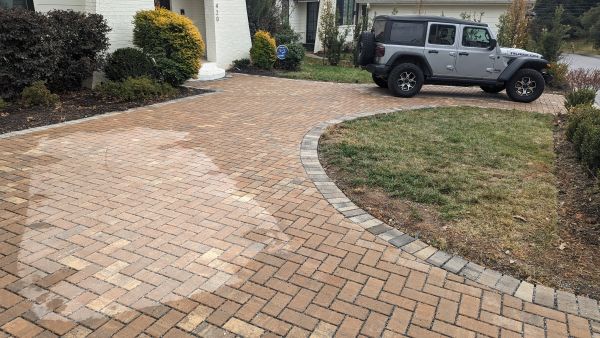
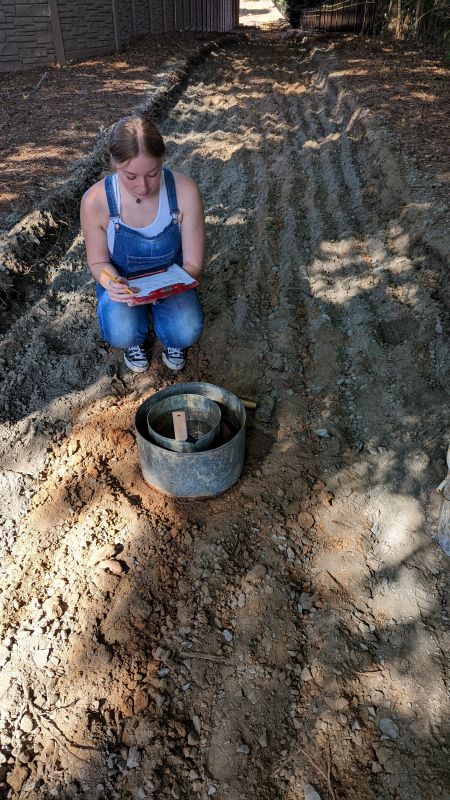
- Geology and Soil: Infiltration capacity dictates design feasibility and credit ratios. (Figure 4.)
- Climate: Cold climates require frost-resistant designs, while rainy regions prioritize high-volume storage and arid regions prioritize groundwater protection.
- Watershed Sensitivity: Critical areas like the Chesapeake Bay, Lake Superior or urban combined sewer overflow zones impose the strictest standards.
Despite their proven benefits, challenges related to higher upfront costs and long-term porous pavement maintenance persist. However, innovative programs demonstrate that government policies can successfully drive adoption.
The national policy landscape has unequivocally shifted in the last decade. The conversation is no longer can or if a project must mitigate its impervious footprint, but how. By providing a dual-function solution that is a land use and a stormwater treatment facility, porous pavements have become an indispensable tool. They allow our cities to grow more intelligently, while providing cleaner water, reduced flooding and a more resilient, sustainable future.
About the Expert
• Christoper J. Estes is president of Estes Design and owner of Anglesy Construction companies in North Carolina, United States. Specializing in LID design build and environmental compliance, Estes has published hydraulic research and contributed to The Engineering Guide to LEED New Construction.