White jigsaw puzzle pieces on a blue background. Problem solving concepts. Texture photo with copy space for text
Solving a Major Problem & Doing Good
By Judith M. Guido
I’m perplexed by all the talk around the “labor” shortage. It pains me to hear the word “laborer” used, as images of indentured servitude and slavery come to mind. Nobody wants to grow up to be a laborer, so please stop using the word, remember we’re talking about people here. Words matter, they either “wound or wow” so be careful choosing them.
If you’re having difficulty finding good people to work for you, sit down and figure out why. If you’re a great company, why aren’t people flocking to work for you, and why aren’t your employees and stakeholders your greatest recruiters? Remember, prospective employees are “buyers.” They’re either buying your story about your greatness, dismissing it or don’t even have you on their radar screen. What I hear and see in the market are at odds with one another. I consistently hear, “We can’t find anyone good to work for us,” or “Nobody wants to work.” What I observe is that there is a large—50.8% of the U.S. population—untapped group of talented people who want to work and are looking to share their talents with like-minded people. As great as our industry is, it has fallen short in attracting and leveraging the most powerful economic group on the planet: women. Yes, women. The Economist, a respected and widely read business magazine, published my favorite business headline of all time on April 15, 2006: “Forget China, India and the Internet: Economic growth is driven by women.” That headline holds true today, 15 years later.
In the U.S. 58% of bachelor’s degrees, 60% of master’s degrees and 52% of doctorate degrees are earned by women. In addition to having the power of doubling the industry’s talent, women-led companies financially outperform those led by men, have greater productivity and higher customer retention rates. Employee turnover rates are also lower—possibly because women rank significantly higher as mentors than men.
If you want to attract great talent let it be known that you are company that is committed to being a place where women can flourish, use their voices, be recognized for their contributions and be empowered. Promoting the support and resources you have to help them grow and succeed is critical. Acknowledging women’s unyielding determination and resilience in a predominantly male-dominated industry is important. Women have gained power and momentum by continually proving themselves to be intelligent and effective strategists, operationally savvy and collaborative field managers, effective and compassionate leaders, as well as market-leading business owners.
Women want to have their voices heard and sit at the table in the room where it happens and make it happen. If you’re a company that is an agent for positive change and want to find the future in the present, let women know there’s an open seat waiting for them and a path for growing as a “leadher.” And when women show up…everybody wins!
Judith M. Guido is the chairwoman and founder of Guido & Associates, a business management consulting firm in the erosion control and green industry. Guido can be reached at 818.800.0135 or judy@guidoassoc.com.
The erosion of lake and ocean shorelines is of great concern to both landowners and natural resource managers. The historical approach to controlling such erosion has been to armor the shoreline with riprap, walls and similar devices designed to absorb wave energy and prevent further erosion. How effective they are relative to other approaches is the subject of considerable debate, but their effects beyond controlling erosion are the subject of several recent studies.
How do the aquatic organisms respond in a freshwater lake when the shoreline is armored with either riprap or walls? This was the central question for Chhor et al. when they surveyed a lake in Canada.1 To do the assessment, 20 sites were selected with either natural rocky shoreline, riprap or a wall, for a total of 60 sites. The armoring appeared to be the result of erosion that individual cottage owners wanted to halt, but the conditions prior to that were unknown.
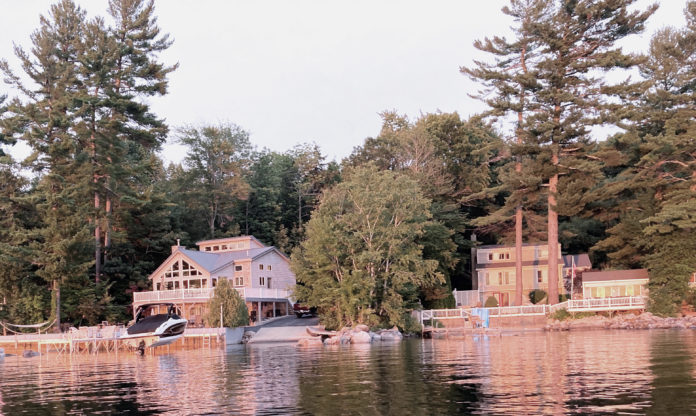
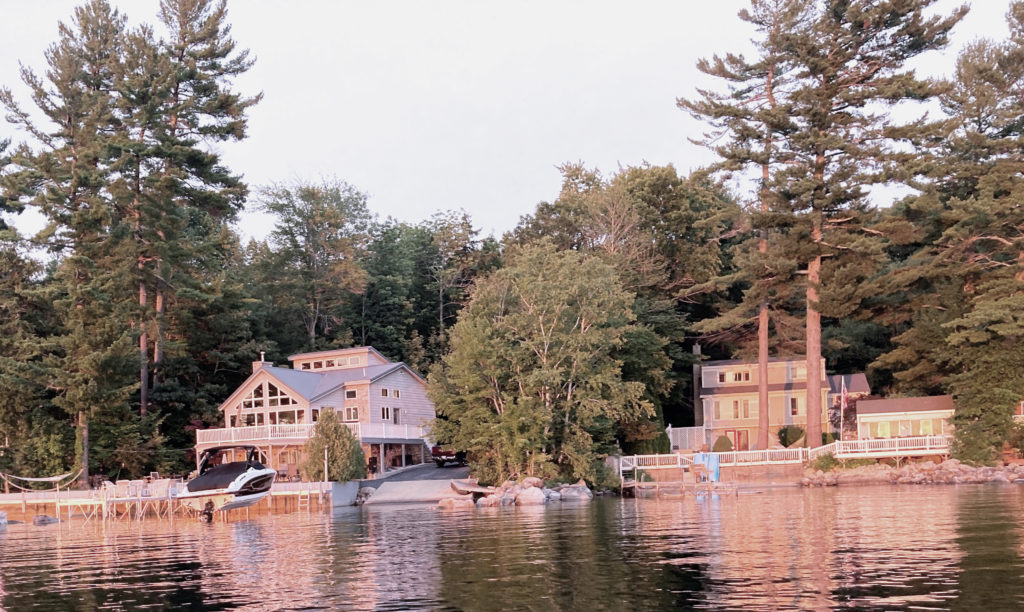
Example of cottage shoreline hardened with concrete walls.
Surveys of fish, aquatic plants and woody debris were conducted by a diver, and aquatic macroinvertebrates were surveyed with a kick net. The overall and individual habitat metrics scored much lower where there was armoring, with noticeably less woody debris and aquatic plants. The authors suggested that this was likely due to a combination of disturbance during the armoring process and active management by the cottage owners. However, neither fish nor macroinvertebrates appeared to be adversely affected. In fact, of the six fish species found in large enough numbers to assess, only largemouth bass preferred the natural shoreline. This may have been due to the absence of woody debris and plants for the largemouth bass to use to ambush their prey. However, pumpkinseed, bluegill, yellow perch, rock bass and one of two groups of minnow preferred the armored habitat over natural. The authors suggested that there may be shifts occurring in the aquatic environment and community structure that may not be evident yet.
A school of smallmouth bass prowl a rocky shoreline.
In a very different analysis, the effect of seawalls on property values on the coast of southern California was determined.2 In order to do this, Brucal and Lynham selected data previously collected on properties near the shore in San Diego and Santa Cruz counties. The presence of seawalls or beach nourishment was noted, although there were few beach nourishment projects so this was not included. The property values were collected from county records and other data came from a survey of homeowners. The authors noted numerous negative effects of seawalls on beaches, such as steepening the beach gradient and interrupting the flow of sand to adjacent beaches, reducing their width or eliminating them altogether. In Santa Cruz, there was a strong negative effect of seawalls on the value of property but not in San Diego. Differences in the physical attributes of the shoreline were suggested as the reason, with much higher cliffs in San Diego that made the beaches less accessible anyway. Using their models, the authors estimated tax losses of up to $54 million annually if the number of seawalls was doubled in Santa Cruz County.
References
1. Chhor, A. D., D. M. Glassman, J. P. Smol, J. C. Vermaire, and S. J. Cooke. 2020. Ecological consequences of shoreline armoring on littoral fish and benthic macroinvertebrate communities in an Eastern Ontario lake. Aquatic Sciences (2020) 82:73. https://doi.org/10.1007/s00027-020-00740-0.
2. Brucal, A., and J. Lynham. 2021. Coastal armoring and sinking property values: the case of seawalls in California. Environmental Economics and Policy Studies (2021) 23:55–77. https://doi.org/10.1007/s10018-020-00278-3.
The first and most critical best management practices (BMP) for any compliance professional working with a project team to achieve successful project completion with stormwater excellence begins in the design phase. Engaging early with the design professional and contractor in a collaborative effort to produce a well thought out erosion and sediment control (ESC) sequence and perimeter BMP plan, will minimize the amount of disturbed area during construction and retain the maximum area of existing perimeter vegetation. This is the first critical step toward a successful and fully compliant project. If, however, the design plan has already been approved when the compliance professional comes onboard, there are a number of factors to keep in mind as BMPs are planned:
Well-coordinated schedules enable compliance.
(1) The importance of non-structural BMPs
As all professionals know, BMPs are both structural and non-structural. The planning and execution of every project, whether it be a heavy highway project, a residential or commercial property improvement project, or any other project that includes land disturbance starts with a set of construction plans. These plans include the ESC plan and sequence, which may have been approved by the appropriate federal, state, and/or local authorities.
These plans are the building blocks of a larger system that will guide project execution to best protect the surrounding environment and any directly impacted areas of the property both during and after construction has been completed. The approved plan set and redline BMP modifications necessary to the compliant completion of work, combined with a project schedule that is carefully developed in granular detail, is the single most important non-structural BMP of the project. The singular goal of project planning must be to fully integrate these two critical non-structural BMP components to formulate a successful completion plan far in advance of the start of earth disturbance on site.
An effective project schedule and plan minimizes or prevents any repeat disturbance of particular project areas and allows for rapid stabilization and completion of small areas of disturbance to minimize sediment load reaching perimeter BMPs and basins and traps. Often discussed, but unfortunately not utilized well enough in project planning, is the distinction between erosion control and sediment control. The goal must always be to minimize sediment load to perimeter BMPs with effective erosion control. Although BMP installation and maintenance cost is often argued among compliance and operations personnel, the facts are clear: Practicing effective erosion control early in the project is a cost effective means of guaranteeing compliance.
In one example, a well-seasoned, high-ranking construction project executive on a $2 billion highway project that closely tracked ESC-related costs, noticed that when the project’s approach to ESC switched from emphasizing sediment to erosion control there was an obvious and immediate cost savings of hundreds of thousands of dollars—a savings that may break the million dollar mark this year. When compliance professionals convince project executives to track ESC related costs, the same results will be seen. Although converting to a new focus can be difficult, the cost tracking of ESC-related costs is considered an effective BMP when implemented early in the project. In fact, compliance professionals may notice that other than early installation of BMPs and prompt stabilization of small project areas, the most effective early BMPs are non-structural.
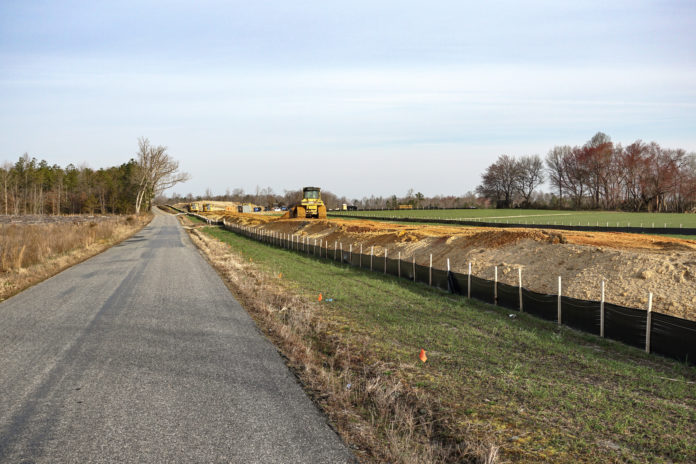
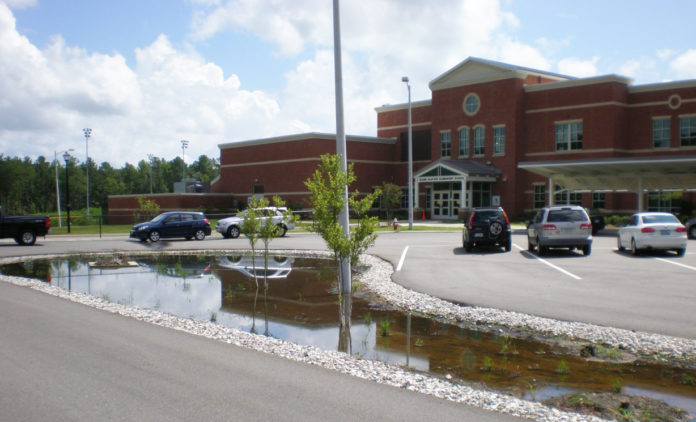
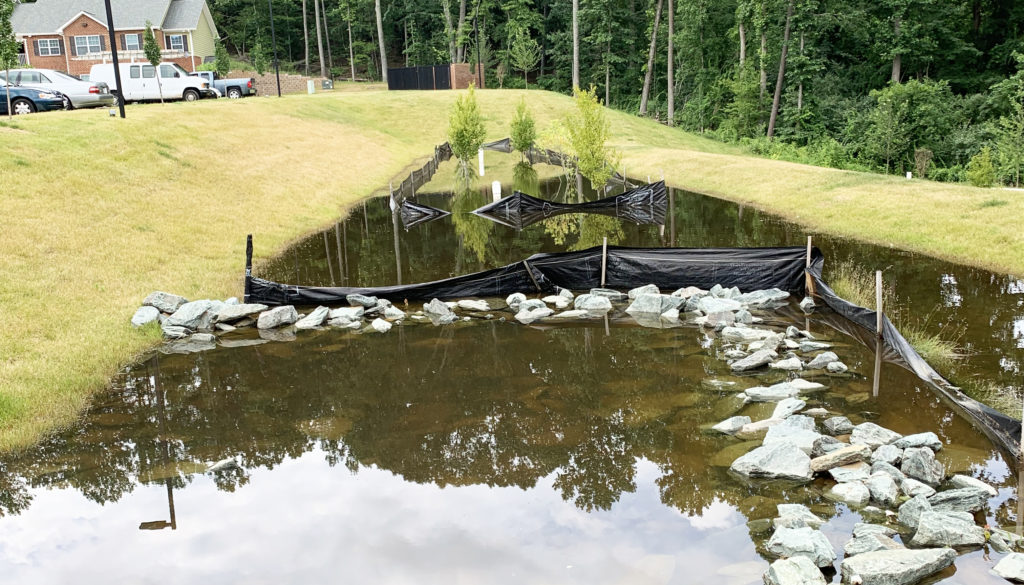
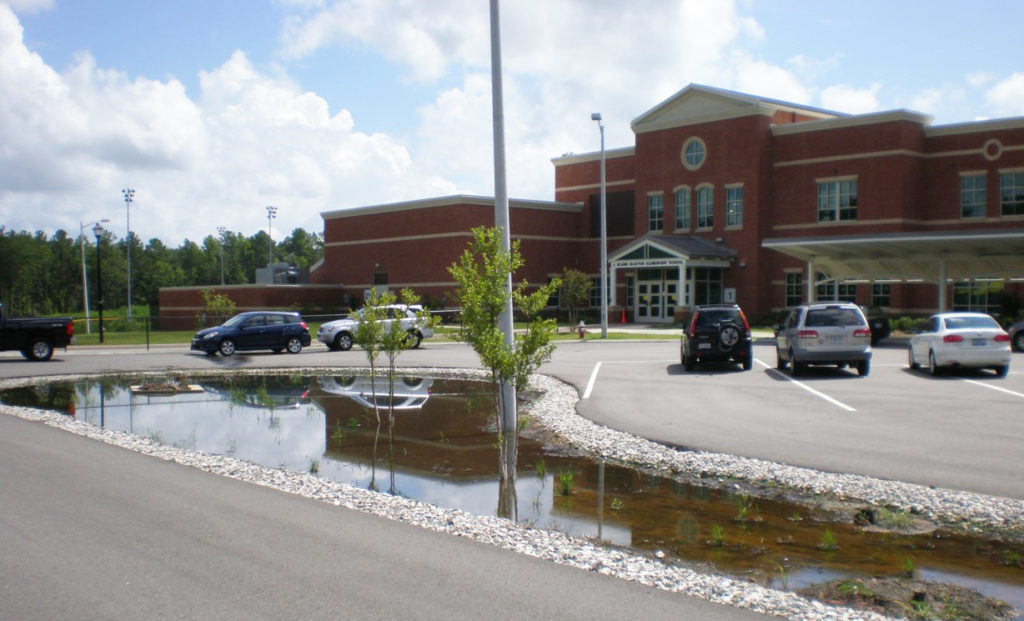
Basins (top photo) and existing vegetation are both important BMPs.
(2) The importance of reviewing cut and fill requirements
Operations and compliance executives have seen the folly of not fully and effectively integrating the detailed project plan with the approved ESC plan and sequence. Compliance professionals have watched in dismay as a regulatory inspector asks why the project is out of sequence, and the seasoned superintendent explains that “I can’t build that basin and swale without that fill…” or “I can’t build that fill without that cut…” Dirt does not fall out of the sky (unless something unthinkable is happening) and so it is critically important to not only plan the “when” of project operations, but also the “how” and “where from and to.” Cut and fill requirements may require a second look and redline rework of the sequence. If there are logical reasons to adjust the sequence, educate and collaborate with your regulatory representative on sequence resolution early to avoid enforcement and costly delays later.
(3) The importance of maintaining existing vegetation
A long-time superintendent colleague’s work always projects a fantastic compliance upon first impression, and his projects always operate in a well-organized, well-planned way that stands out from the crowd. His projects exhibit one consistent feature—they always maintain a significant buffer strip of non-disturbance all along the project perimeter. As part of his project planning, he almost always finds a way to maintain a healthy strip of existing vegetation all around his projects. This approach pays huge dividends in compliance. Not only does it help prevent sediment loss off the site and provide a buffer for any extraordinary storm event sediment movement, but on a large site, he is significantly deducting disturbed acreage from design a few square feet at a time. This practice of maintaining existing vegetation and lessening the project’s design disturbance area is a truly effective BMP. While the design of some projects does not allow this flexibility, when it is possible, it can have a huge positive impact on compliance.
(4) Look at the project in smaller “chunks”
Changing behavior—especially the conversion of a successful (in traditional operations cost metrics) old school superintendent, who has always “opened up the whole site”—does not come easy. Baby steps may be necessary as the compliance professional convinces the superintendent to try a new approach on a small project first. This provides the opportunity for the superintendent to see that it is possible to disturb and immediately button up a project in smaller areas than they are used to, while remaining “on time and on budget.” While working on the more experienced superintendents is important, work harder with the newer ones. They will be more apt to listen and be more open to change. They are the low hanging fruit for your “compliance missionary” experience. Again, this approach to project planning emphasizes early stabilization and minimizes the disturbed project area exposed to the elements and potential compliance disaster.
(5) Install perimeter and critical basin and trap/swale BMPs first
Installation of perimeter BMPs first is obvious, and not too difficult to coach, as nearly every approved design plan calls for installation of perimeter BMPs, critical basins/traps, and swale and drainage construction to those structures first in the sequence. Compliance professionals should do their planning homework early and in detail and work collaboratively with regulatory personnel long before the project preconstruction meeting to resolve potential issues with the plan sequence versus cut/fill and other “real world” construction considerations.
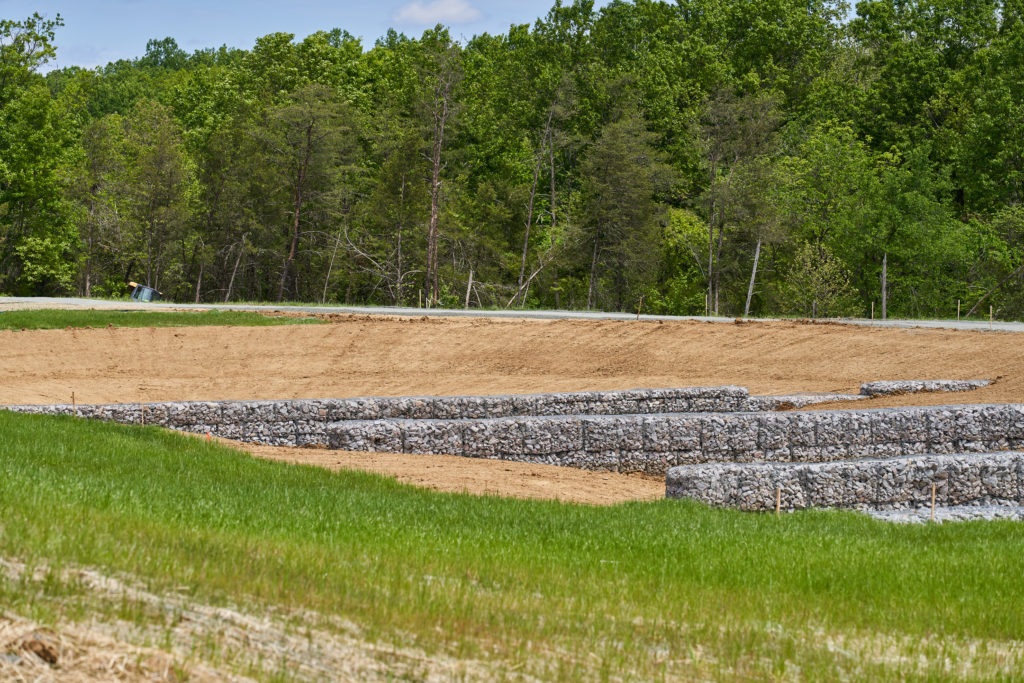
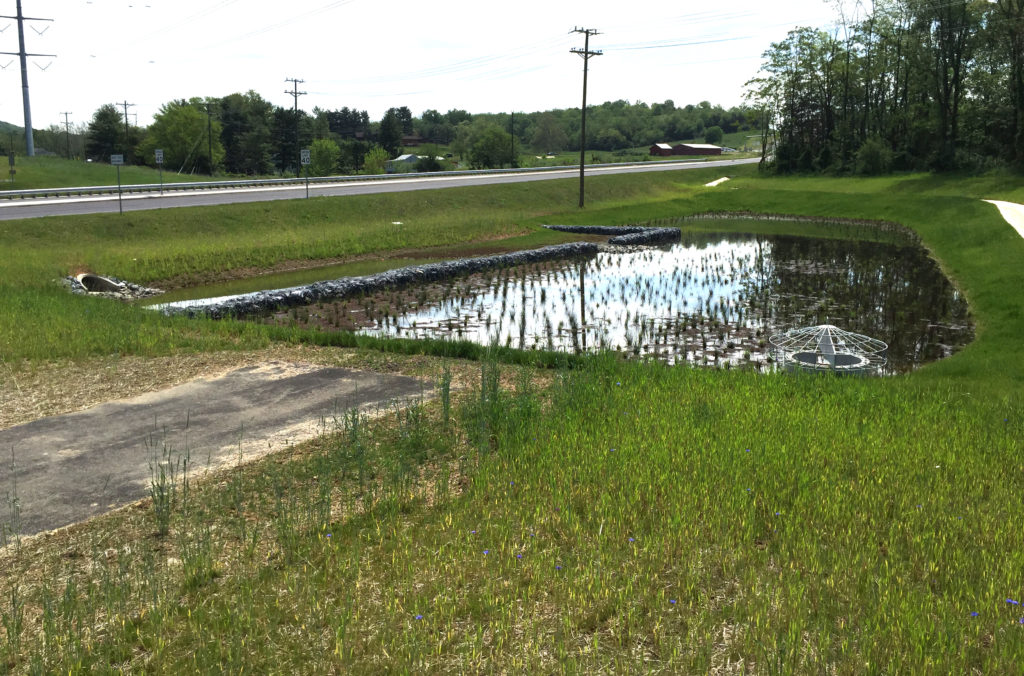
Upfront planning (above) leads to effective BMPs such as swales.
(6) The importance of effective communication and collaboration
Last, and certainly not least, is the importance of a high quality of consistent communication and collaboration between operations, design, compliance, and regulatory representatives of the project. Communication is a critical non-structural BMP, and it may be the single most important BMP on the project. Every one of these representatives and teams are stakeholders in the project, with separate sets of metrics for success, and quality communication and collaboration early and often is critical for success. Remember that communication is listening and speaking, whether in person, on the phone, over email, or via text.
A popular saying that is attributed to Greek philosopher, Epictetus is: We have two ears and one mouth so that we can listen twice as much as we speak. Listening well to what each stakeholder on the project is saying will greatly improve the effectiveness of the compliance professional’s communication. What does each individual or team want to accomplish? What are their metrics? What is important to them? These are critical questions to answer on any project, construction or otherwise, for the most effective and successful collaboration.
About the Expert
Don Elly, CPESC, CISEC, has over 30 years of operations and environmental compliance leadership in multiple construction industry sectors. He is currently the vice president, environmental for Allan Myers, the Mid-Atlantic region’s largest heavy highway contractor and aggregate/asphalt supplier and serves on the boards of the Perkiomen Watershed Conservancy and ACE Mentor Greater Philadelphia.
Industry Leader Focuses on Learning and Sharing Knowledge
By Sheryl S. Jackson
As a boy, Earl Norton walked in the furrows as his father and grandfather plowed their farm. “I loved how good the earth smelled, and I didn’t like what happened when it rained and the soil was washed away.”
Little did he know that his childhood experiences would lead him into a career that focused on preservation of soils and protection of waterways.
Norton began his career as a student trainee soil conservationist with the Natural Resources Conservation Service (NRCS) in 1957. After college and two years of service in the U.S. Navy, he began his professional career with the NRCS, where he worked until the end of 1994. He shifted in 1995 to working as a stormwater consultant, trainer, and active participant in IECA.
When asked about the accomplishments of which he is most proud, Norton says, “Helping to develop the state-wide Alabama Erosion and Sediment Control Partnership program is my most rewarding activity related to the construction stormwater industry.” The initial partnership started in 2001 with the support of the Alabama Soil and Water Conservation Committee, the Alabama Department of Environmental Management, the Alabama Association of Conservation Districts, the Alabama Chapter of the Soil and Water Conservation Society, and the Natural Resources Conservation Service, he explains.
“The partnership has grown over the years to include 11 partners that provide products and activities that offer technology for the erosion and sediment control industry,” says Norton. “I had the opportunity to coordinate the partnership from 2001–2020 and continue to work in a support role. Partnership accomplishments have made this activity more rewarding than words can describe.” In 1996, Norton attended the annual IECA Conference, which led to his involvement with IECA—attending every conference since 1996. “The courses and the conference offerings have provided excellent opportunities to learn technology needed in my work area,” he says. “During this part of my career, I had the opportunity to serve on the CPESC Council and become even better acquainted with folks that I had met at the IECA conferences.”
Throughout the years, Norton has not just acquired knowledge but also actively shared knowledge. “Earl has helped more active and former CPESCs to prepare for their exam than any other person in Alabama,” says Barry Fagan, PE, CPESC, vice president of environment and infrastructure at Volkert Inc. “He has participated in agronomic, urban, and construction-related stormwater research at Auburn University and through his influence on professionals like me, has positively impacted the stormwater programs of several public agencies and the work of engineering firms and construction companies across the state.”
While Norton has also provided valuable feedback during the development and promotion of several erosion and sediment control products that are widely in use today, one of his most significant contributions may be the encouragement of others in the industry, says Fagan, who has known Norton for 20 years. “Earl has driven me to do more good things and to be a better leader than I would have been without knowing him,” he explains. Early in their history, Norton introduced Fagan to Perry Oakes, telling him “this is one of the guys that will take our place someday,” he says. “I was both encouraged and challenged by the statement, which helped me to see that he was in it for the cause, not for himself, and that there was an expectation of leadership that I needed to try to live up to.”
Fagan is not the only person Norton has supported. “Earl has been a constant encourager, sending me and others notes of thanks and compliments, along with advice on how we could make this better or leverage the message to help others,” says Fagan. Correspondence from Norton—to him as well as others—often includes words and phrases such as “great job, fantastic, thank you, benefits to all,” and more positive encouragements, sometimes delivered in all caps, he says. “Earl has been a teacher, a mentor, a guide, and an inspiration to me in several areas of life.”
Perry Oakes has known Norton since the early 1980s, working with him at the NRCS and the Alabama Erosion and Sediment Control Partnership. Oakes took over as the partnership program coordinator when Norton stepped down at the beginning of 2021. “Since I have taken over as the program coordinator, I have quickly learned that he made a complicated job look easy,” says Oakes. “It is great to have him support me in my new role.”
When asked to describe Norton’s first impression on people, Oakes says, “He has what I would call a true ‘conservation ethic,’ which means that whether he is at work or at his treasure forest, Earl is always concerned about erosion and keeping the ground covered.” He adds, “He always has a smile, loves meeting you, and wants to learn more about you.”
The greatest change Norton has noticed throughout the years relates to construction stormwater. “When I started working in the construction stormwater world in 1995, many construction sites in Alabama were wrapped with silt fence, and installation of vegetation and other cover practices were often deferred until late in the project, with little or no actions taken to minimize turbidity,” he says. “Now, we see sites reflecting use of a systems approach with a variety of BMPs that significantly reduces erosion and sediment delivery throughout the project and often does a credible job of addressing turbidity. There is still much room for improvement but we are on a positive track,” he says.
“As the industry matures and changes, I see more attention to the use of a systems approach in selecting BMPs, more attention to using the right practices, at the right time, with proper installation and maintenance,” says Norton. He also sees continued improvement in products for erosion and sediment control. “Also, in the future we will see more attention to research findings to provide a stronger science-based approach to site management.”
Norton’s career has been a journey of learning that began in an elementary school with three teachers—each of whom taught two grades in one classroom. “I got to hear grades 1 through 6 taught twice,” he points out. “Excellent teachers from grade 1 on through high school and then Auburn University provided a solid foundation for my work with NRCS and as a stormwater consultant.”
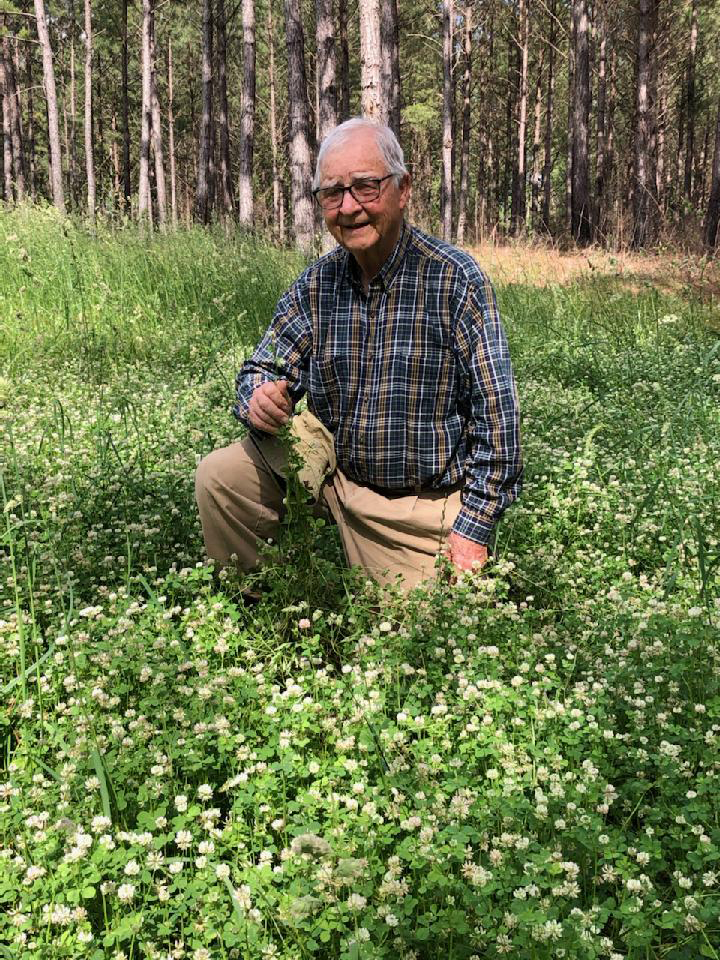
While Norton enjoys fishing, hunting, yard work, and gardening, he says that he gets most of his mental therapy as a forest farmer in a rural area about 30 miles from his home. “I have an opportunity to practice land management with trees, grass and legumes, wildlife, and other critters that benefit from a piece of God’s earth under my care,” he says. “To be very candid, at age 83½, I have been blessed beyond my expectations with a career that I would not trade for any other even if I had an opportunity to make a change.”
Fast Facts: Earl Norton
Years in erosion control: 60+
Academic degrees: B.S. in agricultural science and M.S. in agronomy and soils from Auburn University
Professional certifications: CPESC, Certified Professional Agronomist, Certified Crop Advisor, Certified Prescribed Burn Manager 2020 awards and recognitions: Outstanding Professional (IECA), Lifetime Achievement Award – CPESC Fellow (EnviroCert International)
Other recognitions: Soil and Water Conservation Society – Fellow (2005); Alabama Wildlife Federation’s Governor’s Conservation Award – Water Conservationist of the Year (2005), Soil Conservationist of the Year (2014)
Establishing native grasses, shrubs, and forbs can be challenging. Soil conditions, erosion, and weather can contribute to the challenges, although native plants are designed to succeed even when facing many of these environmental factors. Weed pressure is often the biggest threat to a successful, long-lasting native planting.
Weed pressure can have a negative impact on a native seeding primarily due to germination speed and strong spreading traits. This can occur either through rhizome/stolon growth or through well-designed seed delivery systems. In comparison, most native plants grow and spread more slowly making them susceptible to competition from weeds.
There are several options for controlling weed growth in native plantings and there are many factors to consider when determining the right control for a project. There are many variables in site and environmental conditions that may require different, site-specific strategies, but the basic concepts include burning, mowing, herbicide application, and spot control. Another essential method—starting with a clean slate —should be used in conjunction with one or more of the other options.
Burning
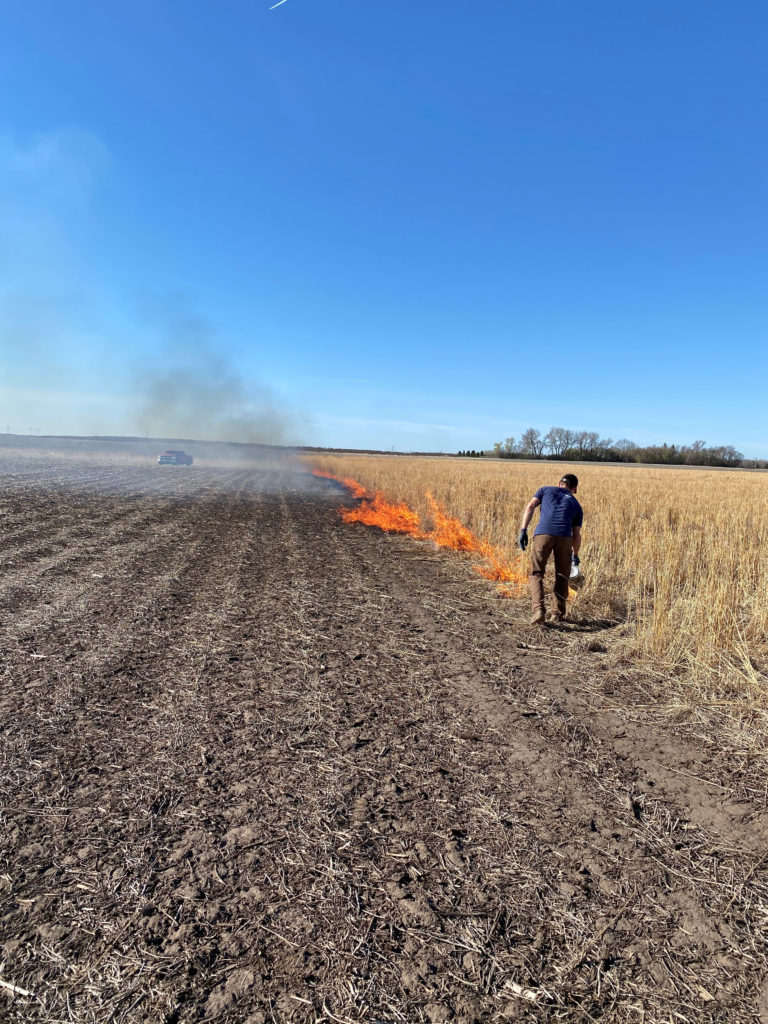
Burning a native seeding can be one of the most effective means of controlling weeds in some climates and environments. Native plants are well-adapted to burning, while many weeds are not. In fact, native plants tend to grow back faster and stronger after burning. A controlled burn will eliminate shallow-rooted introduced grasses, broadleaf weeds, and juvenile woody plants. At the same time, seeds of these undesirable species that exist on or near the surface of the soil will be eliminated, which reduces weed pressure in future years. Burning in dry/windy conditions or rough terrain can be difficult to control and extremely dangerous. A burn should be coordinated with local government offices, forest service, and fire departments to ensure appropriate permits are obtained and support is available if the fire gets out of control.
In some environments, burning can be effective weed control for native seedings.
Mowing
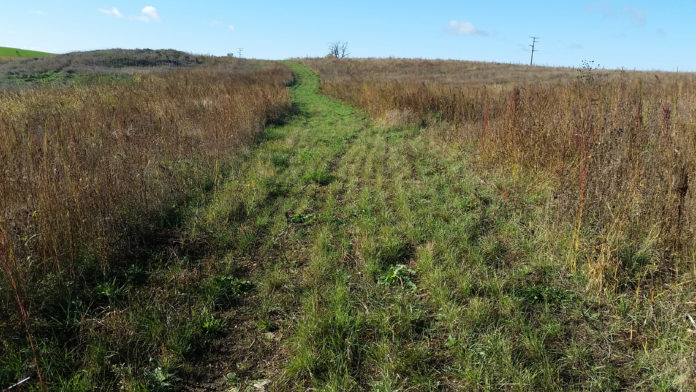
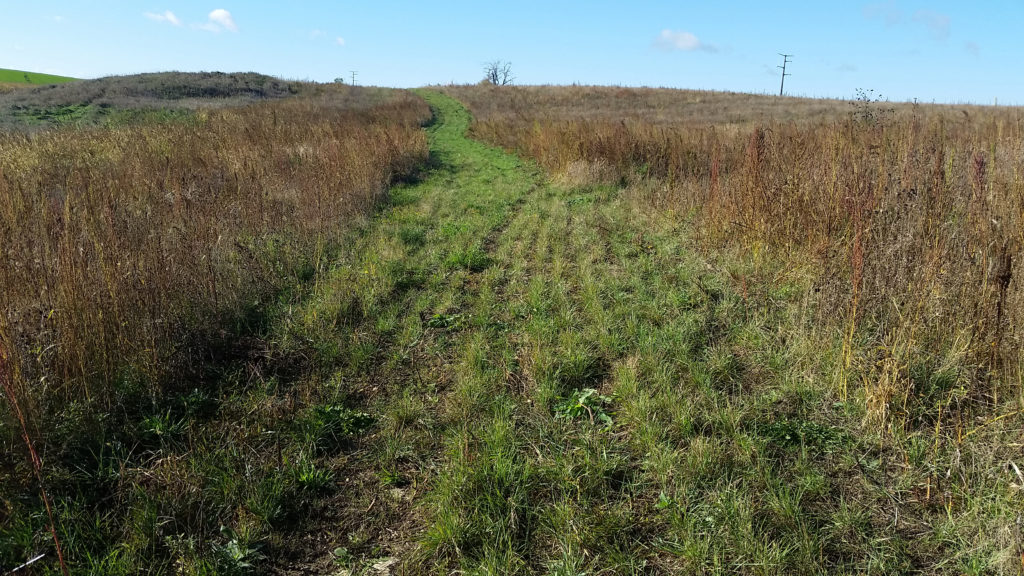
Mowing a native grass planting can be an effective means of controlling weeds. Mowing minimizes weed pressure in a few ways. Most native plants incur little stress from being mowed while the growth of many weeds will be stunted, giving the intended species an opportunity to thrive. Another benefit is many of the common weeds are annual species that rely on dropping seed to propagate. Mowing prevents seed from forming. No seed means no plants next year. Additionally, mowed material creates a natural mulch that can help retain moisture, block sunlight from juvenile weeds and minimize erosion. Terrain or accessibility may make mowing impossible, but mowing can be the ideal combination of affordability, safety, and effectiveness.
Mowing minimizes weed pressure without stressing the native plantings.
Herbicide Application
Using herbicide to control weeds in native plantings can be very effective. There are many options intended for use on native plantings that fall into three broad categories: selective pre-emergent, selective post-emergent, and non-selective. Pre-emergent herbicides target plants that have not yet emerged from the soil. Plants are easiest to eliminate when they are young so a pre-emergent used at the right time of year —usually early spring—can be very effective. Pre-emergents can be used on new seedings or existing stands, but typically require that the product reaches the soil to be effective, so applying a pre-emergent to a well-established stand can be difficult.
Post-emergent selective herbicides are only effective on actively growing weeds. Most products work through foliar absorption. Timing of post-emergent applications is essential since many weeds become difficult to control at full maturity. Generally, selective post-emergent applications are most effective in late spring to early summer, but can be used with good success throughout the growing season.
There are several products on the market with both pre- and post-emergent value that can help eliminate growing weeds and prevent new weeds from growing for up to several months.
Non-selective herbicides are the “nuclear” option of herbicides. These products such as glyphosate (e.g. Roundup®) are intended to kill everything they touch. Non-selective products are best used for spot spraying or pre-seeding weed control.
Severity of weed pressure, primary type of weed present, stage of weed growth, and species present in the intended vegetation all need to be considered when selecting herbicide. Product selection and application planning are crucial to achieving the results you want. If you are not certain, consult an expert.
Spot Control
When weeds are sparse, on small sites, or in areas where weeds are concentrated, spot spraying or hand pulling can be an effective method of controlling weeds. This is potentially the most labor-intensive method, but can also have the highest rate of success. Many wildflowers cannot tolerate any type of herbicide application. If burning or mowing are not feasible, spot control may be the only option. In locations where weeds are sparse, re-seeding is typically not required after eliminating the weeds. However, large, concentrated areas of weed growth will need to be re-seeded after weed elimination. If re-seeding is not done, these open areas will invite new weed growth.
Eliminate Weeds Before Seeding
The most effective and important method for controlling weeds in native plantings is to start with a clean slate. Eliminating weeds before seeding will give the planting its best chance for success. Project schedules, seasonal limitations, and site conditions can limit the ability to control weeds before seeding. Ideally, a site should receive at least two applications of non-selective herbicide to eliminate as many weeds as possible. Tilling or ripping the soil between applications can expose weed seeds that might not otherwise start growing for a couple years. Another challenge of this prolonged pre-seeding period is exposing the site to weather and erosion, which can result in costly repairs. One of the most cost-effective ways to battle this is to use cover crops.
Using inexpensive small grains or other annual plants to cover bare ground between final grading and seeding during this weed control period can cost as little as a few dollars per acre for seed and can provide several benefits without the need for thousands of dollars in erosion control products. These cover crops can prevent or minimize erosion, provide natural mulch and add organic matter to the soil. Seeding as little as 20 lbs. of small grain per acre (22kg/ha) can help keep the site intact between herbicide applications. Typically, this would be an herbicide application followed by a cover crop seeding, wait two to four weeks, till or rip the soil, wait another two weeks, apply herbicide and do the final seeding.
Blending a nurse crop of the same small grain or annual plants with a permanent seed mixture can provide some of the same benefits as a pre-seeding cover crop. In most cases, native seedings are planned to result in 30 to 80 seeds per square foot (325-860 seeds per square meter). Eighty native plants per square foot sounds like a lot, but the reality is that not all seeds will germinate simultaneously and some will not germinate at all. A typical native seeding will have bare ground between plants for at least the first two seasons. Bare ground has the potential for growing weeds or allowing erosion. Adding a nurse crop can achieve quick growth to fill in this bare space between permanent plants. For sites that may be sensitive to potential regrowth of annual nurse crops, there are options such as sterile triticale that are not capable of regrowth.
There are several options available to control weeds in native plantings that will achieve a permanent, durable, and attractive stand of native plants. The right option for your site is going to vary depending on the species of weeds, geography, site conditions, terrain/accessibility, and many other factors. There is not a one-size-fits-all option, but a thorough assessment of the site and potential unintended consequences of various weed control options will help identify a workable solution.
About the Expert
Jon Healy, CPESC, is the commercial product manager for Millborn Seeds, Inc., with a primary area of expertise for the Great Plains and northern Rocky Mountains. He has over 25 years of experience in the construction industry and has served as the South Dakota State Representative on the IECA Mountain States Chapter Board for the past three years.
Global pandemics do not often present exciting opportunities, but the four recipients of IECA Australasia’s Young Professional Virtual Conference Scholarship had the opportunity to attend IECA’s 2021 Virtual Conference, which had originally been planned as an in-person event in Kansas City, Missouri, USA.
The switch to a virtual conference eliminated extra time and costs for travel and accommodations, opening up the conference to a wider audience. To encourage young professionals embarking on a career in the erosion and sediment control industry, the Australasia Chapter offered scholarships that included full conference registration, a 12-month IECA Australasia membership, and an invitation to attend one IECA Australasia Board meeting virtually or in person. The scholarship program, which was sponsored by Vital Chemical, was open to professionals under the age of 35 in Australia and New Zealand. Four recipients were selected from the 11 applications received.
The recipients’ perspectives on the conference included:
Rebecca O’Connor, environmental coordinator, AWP2, Victoria: “Despite the virtual nature of the conference, it was a great opportunity to see what other companies from around the world are doing to achieve our goals of best practice in the world of erosion and sediment control. Whilst a lot of the international round table discussions were more American-oriented, as an Australian, I found it was indirectly a great way to demonstrate how best practice in one country might not necessarily be best practice in another.”
Rebecca O’Connor
Venkata Padamata, land resource officer, Rangelands Division, Department of Environment, Parks and Water Security, NT Government: “It was worth it waking up early in the morning and attending the conference. Unfortunately, I attended only the first day of the conference due to my work priorities, but I had access to all seminars for 60 days after the conference via the website. The great thing about these presentations is that they included plenty of discussion and audience involvement. I personally learned a lot and got inspired to learn more.”
Venkata Padamata
Igmar Zambrano, environment officer, Engineering, Health and Environment Branch, Planning and Regulatory Services Department, Ipswich City Council: She lists highlights of the conference as “Sharing sediment control techniques. Sharing knowledge and experience in panel discussions and presentations. Increasing information in new techniques related to erosion and sediment control measures in road construction, development project, creek restoration, implementation, and monitoring of sediment control.”
Igmar Zambrano
Chloe Leong: “The conference was great for expanding my knowledge on a wide range of subjects and there were many amazing and knowledgeable speakers. I had the opportunity to grow my professional support network and understand amazing products that are available on the market. This experience has given me an appreciation of the work undertaken by others involved in the field and the direction the industry is heading.”
By Hal Lunsford, MPA; Stefano Rignanese, MS; Michael C. Korb, PE
What do mine reclamation and butterfly gardens have in common? More importantly, how do they link to erosion and sediment control?
What is mine reclamation? According to the California Department of Conservation, it is “The combined process by which adverse environmental effects of surface mining are minimized and mined lands are returned to a beneficial end use.”1
What are butterfly gardens or habitats? According to the Lady Bird Johnson Wildflower Center, a butterfly garden is a “Plant environment designed as an outdoor haven and natural habitat for butterflies, specifically created to nourish and protect with a wide variety of plants native to their region.”2
The large and brilliantly-colored monarch butterfly is among the most easily recognizable of the butterfly species that call North America home but the population has declined by approximately 90% since the 1990s.3 Habitat loss due to intensive agriculture, urban development, use of pesticides and weather pattern changes have contributed to the decline.
Former mining sites can become valuable habitats for the Monarch butterfly with milkweed plantings.
Monarchs ranged throughout North and South America up to a few years ago, but they are no longer found in South America. The monarch is also found in Australia, New Zealand, Hawaii, and Oceania.
Milkweed is the monarch’s sole food source and the rookery for laying their eggs, food source for their larvae, and later, a bench for their cocoons. Without milkweed, this beautiful species will become extinct as have over 80% of all butterfly species on our small planet.4
Scientists, construction contractors, and citizens must come together to prevent the extinction of one species—the monarch. Erosion and sediment control professionals can play a significant role in the effort, while also meeting the goals of their erosion and sediment control projects.
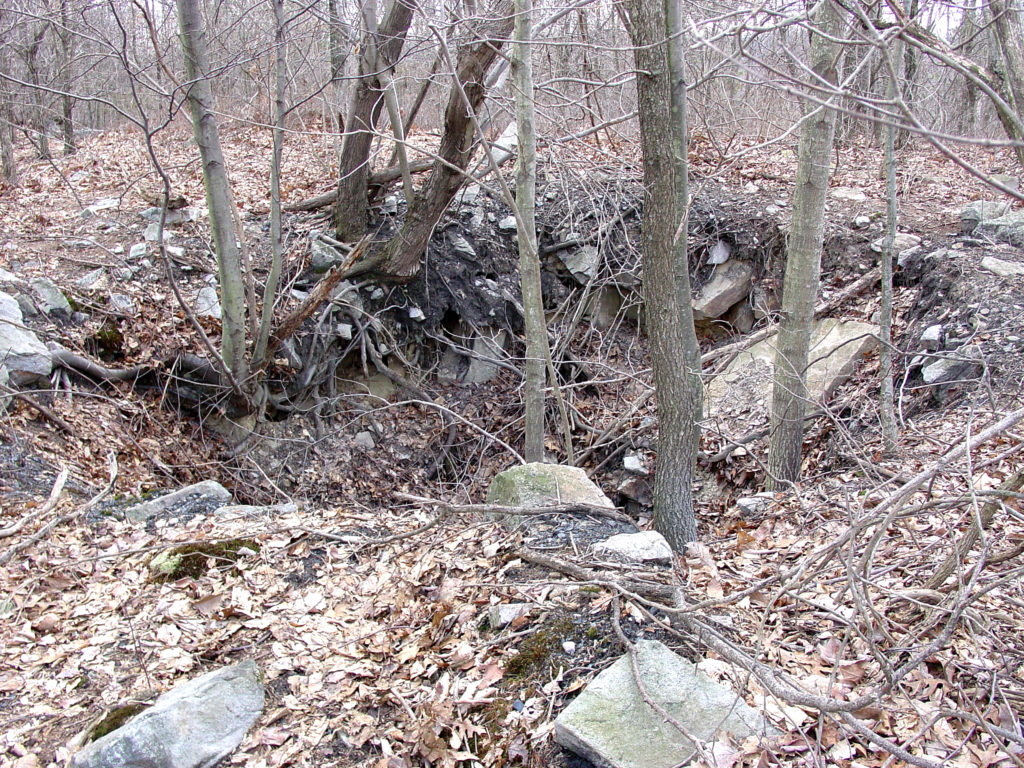
Pre-construction mine opening and subsidence.
Michael C. Korb, P.E., a retired manager of the state Bureau of Abandoned Mine Reclamation in Wilkes-Barre, Pennsylvania who now works as senior engineer for Tetra Tech in Dallas, found that milkweed plants and monarchs not only survived, but thrived in his restoration projects that included closed and abandoned strip-mining areas. His efforts not only controlled sediment and erosion, but also improved the aesthetics of these areas to improve the overall community. Hundreds of areas that can benefit from this type of reclamation effort can be found in all states in the U.S. and in countries worldwide.
Another issue related to the demise of the monarch butterfly habitat is along the roads and major highways throughout the U.S. Most departments of transportation use herbicides to kill weeds to create an unnatural monoculture along the roadways. While the beautiful, grassed roadway shoulders and right of ways may look like a golf course, there are benefits to using the areas to provide habitats for native plants and animals including the monarch butterflies and milkweed, which is invasive to grassed areas.
Years ago, First Lady Ladybird Johnson, led an effort to incorporate areas of diverse native plantings along highways and roads. The benefits of native plants in these areas include not only increased habitats for disappearing plants and animals, but also decreased carbon emissions from fuels needed to continually mow shoulders, right of ways, and medians.
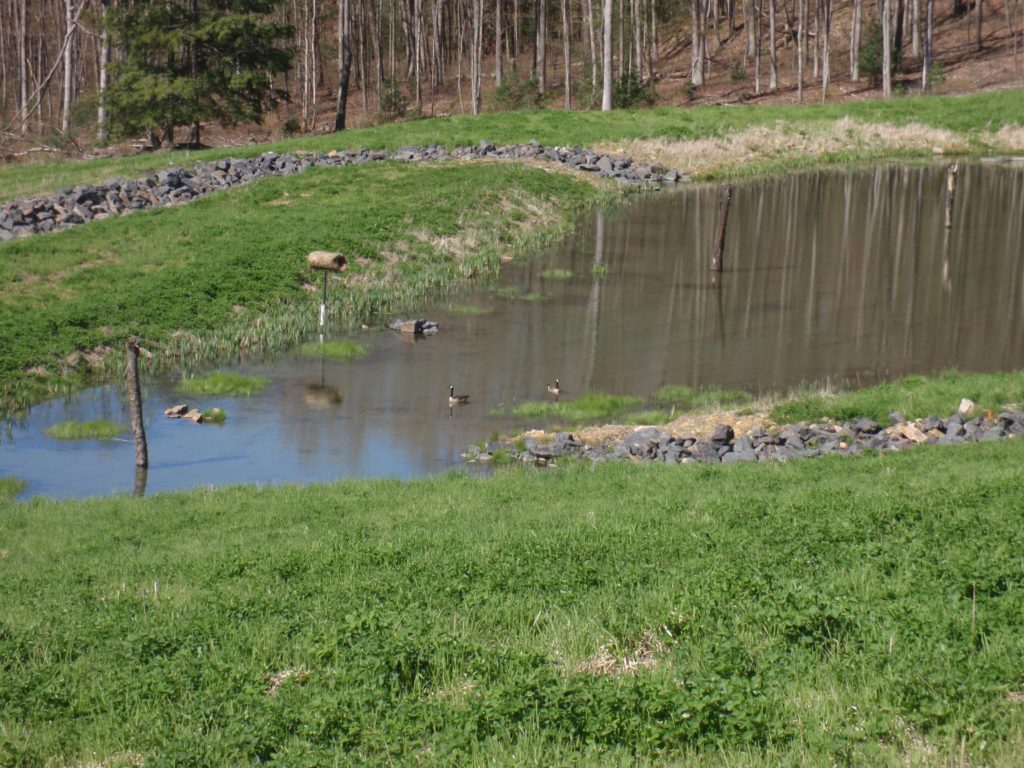
Post-construction constructed wetland with native vegetation.
Even with a resurgence of interest in butterfly gardens on homeowners’ properties, as part of reclamation projects or along highways, there are some right and wrong ways to approach the plantings.
A common mistake is the use of nonnative species of milkweed that can survive winters.4 This causes this butterfly to remain in place over the year rather than migrate as they have done since the Paleocene Epoch. Although other butterflies can overwinter as larvae, pupae, or even as adults in some species, monarchs cannot survive the cold winters of northern climates. Monarchs in the western U.S. states migrate to Mexico, and monarchs in the eastern states migrate to Florida. Environmental cues, such as availability of milkweed, can prompt migration at the right time or, in the event of nonnative milkweed, cause the butterfly to stay in a location they cannot survive.
The best practice is to use only native species of milkweed or other plants that are specific to an area or state for mine reclamation projects, highway beautification efforts, and local butterfly gardens.
References
1. Mine Reclamation. California Department of Conservation. https://www.conservation.ca.gov/dmr/SMARA%20Mines/reclamation.
2. How to Make a Butterfly Garden. Lady Bird Johnson Wildflower Center. https://www.wildflower.org/learn/how-to/make-a-butterfly-garden.
3. Monarch Butterfly. National Wildlife Federation. https://www.nwf.org/Educational-Resources/Wildlife-Guide/Invertebrates/Monarch-Butterfly.
4. National Geographic. https://www.nationalgeographic.com/animals/invertebrates/facts/monarch-butterfly.
About the Experts
Hal Lunsford, MPA, is a 40-year veteran environmentalist, and an active member in the U.S. Green Building Council and IECA Southeastern Chapter. He was recently elected to his second term as the only Florida member representative and serves as chairman of the erosion and sediment control track committee for IECA. He holds a bachelor’s degree in earth and atmospheric sciences and a master’s in public administration from the University of West Florida. Stefano Rignanese, MS, is a civil engineer and has a master of science in civil engineering from Alma Mater Studiorum, University of Bologna, Italy. He joined Maccaferri in 2012 and he is currently the North America technical marketing manager. He was one of the IECA Four Under 40 Young Professional Award in both 2020 and 2021. He currently serves as co-chair of the erosion and sediment control track committee for IECA.
Michael C. “Mike” Korb, PE, graduated as a mining engineer from the University of Missouri—Rolla (now Missouri University of Science and Technology) in January 1968. He is a Society for Mining, Metallurgy & Exploration (SME) Legion of Honor member, a distinguished member of SME, and a two-time past chair and remains active in the SME Penn-Anthracite Section. He works part-time with Tetra Tech in Northeastern Pennsylvania and spends most of his time working with anthracite mine heritage and environmental non-profits.
Erosion Control Training Facility Supports Hands-On Learning
By John McCullah, CPESC
Erosion and sediment control professionals often say—tongue in cheek—that, “The art and science of best management practices (BMP) selection and implementation isn’t rocket science. It’s much more complicated!”
Actually, effective erosion and sediment control work is part tradecraft and part certified professional—someone who has been trained on the complex regulations and the myriad of stormwater pollution prevention plan (SWPPP) protocols. Many trades such as construction, earthmoving, and grading and landscaping depend on an apprentice and journeyman relationship. There are several educators in the industry that are clamoring for prerequisite courses on the BMPs alone —courses that provide the theory of BMPs, including Stokes law, continuity equation and hydrologic soil groups, coupled with hands-on instructional pedagogy.
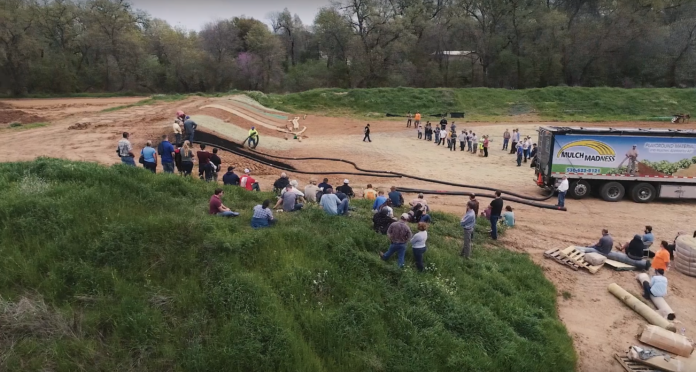
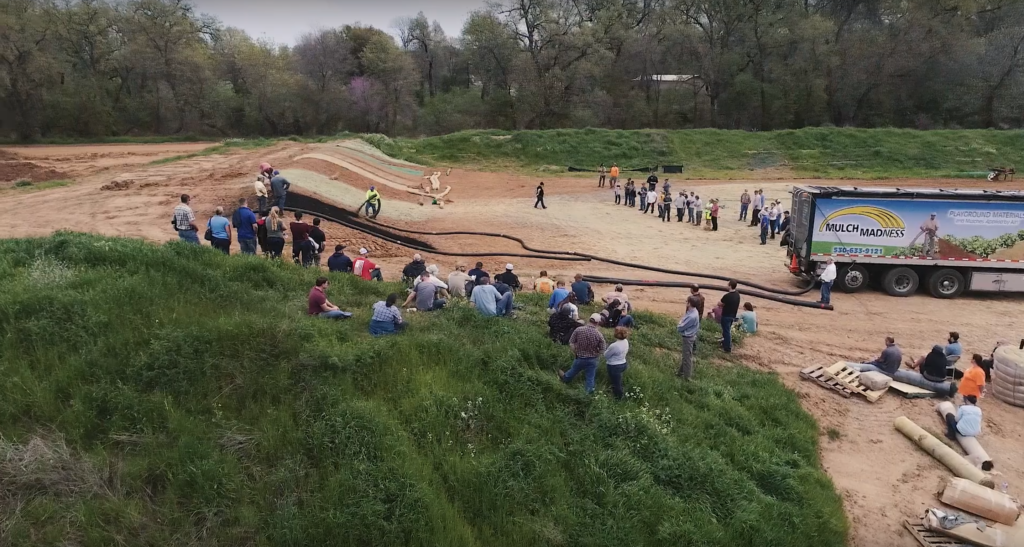
The BMP Summit at Shasta College is a two-day annual event that combines one day in a classroom and one day of field demonstrations.
The Clean Water Act states that BMPs can be a collection of rules, methodologies, protocols, and operating procedures. SWPPP management protocols that address things like knowing when to sample, how to designate the qualifying storm event, and how to file inspection reports are important, but the as-built, physical soil erosion and sediment control BMPs, such as erosion control blankets, sediment barriers, and hydromulching are the real tools of compliance. Unfortunately, this level of understanding of the actual constructed BMPs requires experience. Without the apprentice/journeyman relationship, the training emphasis will require different pedagogy— hands-on experiential based education geared to adult learning.
The Shasta College Erosion Control Training Facility (ECTF) is gaining worldwide recognition for its unique capacity to provide hands-on training on soil erosion and sediment control BMPs. Built in 2007, the six-acre (2.4 ha) ECTF is designed with slopes, drainage channels, sediment ponds, and bioswales to serve as a learning laboratory.
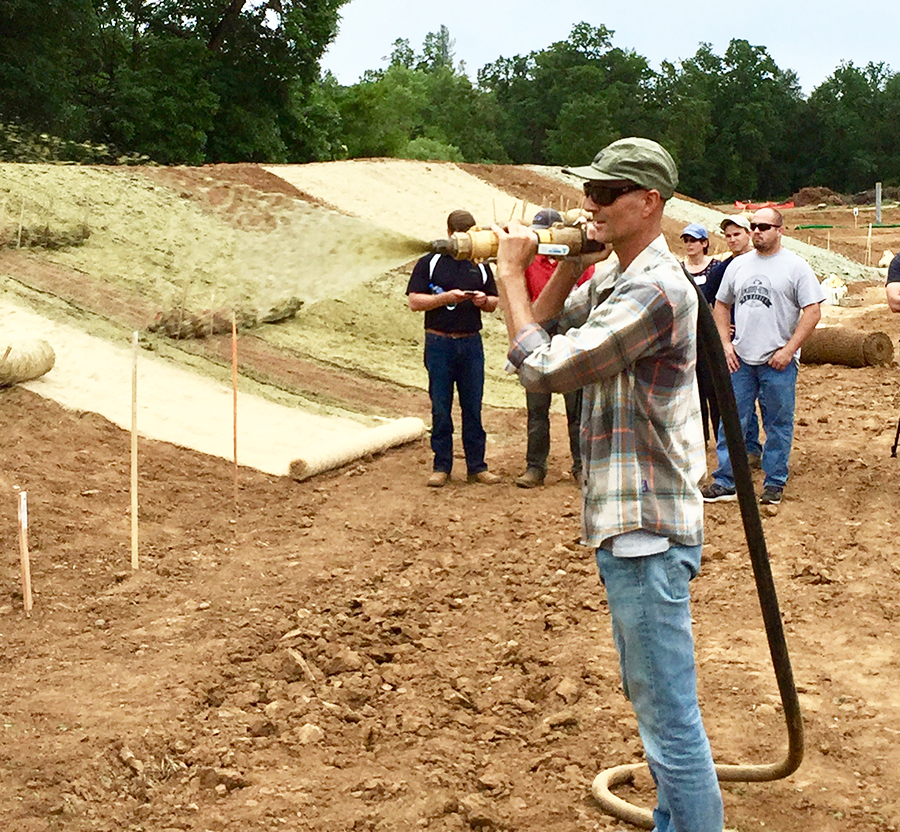
Onema representative Daniel McDonald, CPESC, has an opportunity to apply hydromulch at approximately 4000kg/ha (4000#/ac). Participants also learned how to fill the tank and mix the slurry to a desired consistency and employ the application techniques necessary to achieve 100% coverage.
The school’s Watershed and Erosion Control Practicum class uses the ECTF as the “lab” for students pursuing a degree in agriculture natural resource (AGNR) programs as well as students pursuing a heavy equipment operators certificate. The ECTF is not only a training ground for the college’s vocational education programs, but it also provides a field training site for an annual erosion and sediment control BMP Summit at Shasta College.
The BMP Summit is a two-day annual event that is usually held during spring break. One day of classroom learning and one day of field demonstrations of 12 or more of the most widely-used BMPs provides both theory and the hands-on experience. BMPs demonstrated include hydromulching, erosion control blankets (ERC), turf reinforcement mats (TRM), surface roughening, skimmer basin, fiber rolls, compost socks, straw mulching with tack, silt fence, and stabilized construction entrance.
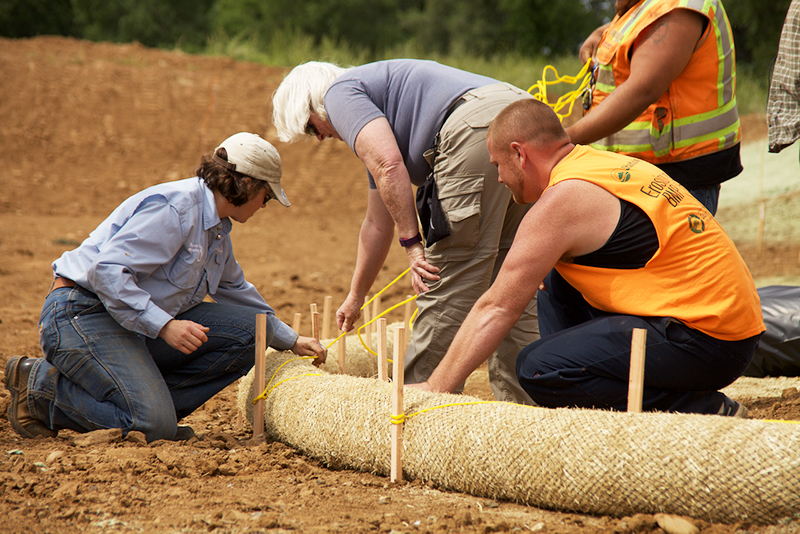
Sediment barriers and slope interrupters are varied in type and material. Anchoring techniques are also varied depending on site conditions. The CT type 2 stake and rope lash method can firmly anchor fiber rolls to the soil eliminating the need for a trench to prevent runoff from leaking under. Students are shown how a one-fourth inch diameter rope stretched across anchor stakes staggered 2 ft. apart, will then be “torqued” down with a sledge hammer.
The ECTF has hosted more than five annual BMP Summits. The first event in 2008 was limited to California Department of Transportation maintenance workers, but attendance was expanded to include city, county, and state regulators in 2009. Expansion beyond government agencies continues. A California SWPPP management company, that is committed to employee training, has found the Shasta College experience so valuable that they have enrolled over two dozen staff to the annual trainings.
Events held in 2016 and 2018 hosted more than 12 product exhibitors that set up displays and showcased products in the field. In addition to summit attendees, Shasta College has hosted guests from around the nation and the world—the most distant attendees traveled from the Mariana Islands, Malaysia, and France.
Students learn that a silt fence type sediment barrier is intended to “pond water,” but because the embankment is made from sticks and geotextile, the drainage area should be quite small, probably less than 10,000 sq. ft. (930m2). Shasta College has two silt fence slicing machines used to demonstrate how static slicing and t-post stakes make installation quick, well keyed-in, and sustainable—as the stakes can be reused, which diverts material from landfills.
In 2016, Shasta College and the Western Chapter of IECA hosted delegates from the French National Agency for Water and Aquatic Environments (Onema) on a technology transfer mission. The delegates were tasked with developing an erosion and sediment control manual for the agency.
An added benefit of the Summit is AGNR student participation and continued learning as they help develop and set up the site for the event. They receive a scholarship to attend the event, which leads to an unanticipated benefit as participating students get to “rub shoulders” with industry professionals.
The technology transfer combined with “hands-on learning” have proven to be extremely effective. One guest from France praised the training, saying that she enjoyed being able to hear the theory and immediately see the practice applied.
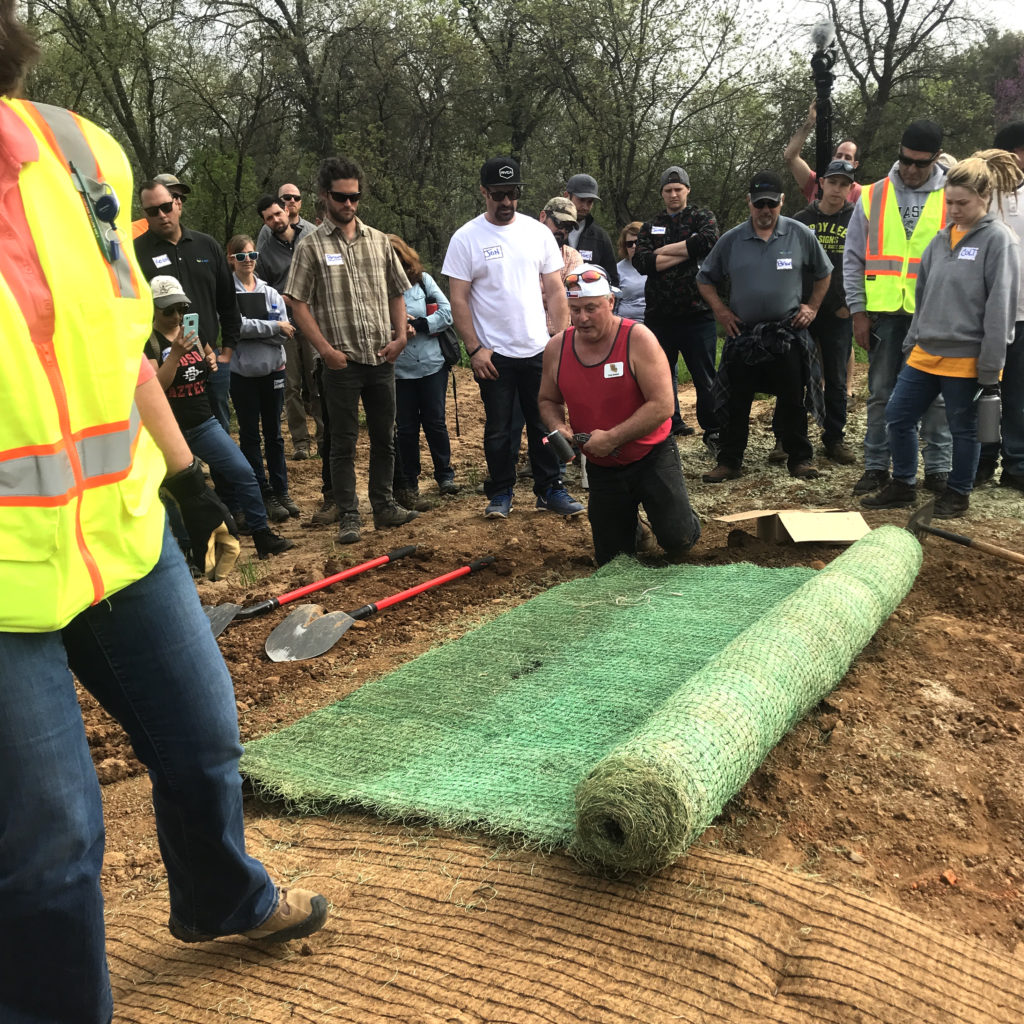
IECA’s Craig Benson and Lynn Friesner take training lead on the ECB module. Attendees get to touch and feel the various types of materials and the array of possible anchors. Pre-installation grading, anchoring, and intimate soil contact are key points. Durability, longevity, and ability to encourage vegetation establishment are considerations for ECB selection.
About the Expert
John McCullah, CPESC, watershed geologist, owns Salix Applied Earthcare LLC, a consulting firm in Redding, California. A certified professional in erosion and sediment control since 1986, he has spent three decades developing and implementing BMPs for a variety of environments and as an adjunct instructor at Shasta College. McCullah and SalixAEC, along with their partner BlinkWorks produce the erosion control training video series Dirt Time. A new generation of training videos have been available since 2016, dirttime.tv partnered up with Kevin Ernst and Haven Falls Motion Pictures.
Want to Take a Look?
Want to see Shasta College’s Erosion Control Training Facility (ECTF) in action and hear from BMP Summit participants? Go to https://youtu.be/zAz71FgysM8 and https://youtu.be/vsWqLbNytBo to learn more about the hands-on ECTF.
New Technology and Tools Produce Effective Engineered Systems
By Corey Simonpietri
Positive results to infiltration tests create a wide range of celebratory reactions in the civil engineering community. Tiger Woods-style fist pumps and high-fiving over cubicle walls are justified because there is a lot to celebrate when a project site has the ability to infiltrate stormwater.
Taking advantage of the soil’s ability to infiltrate and treat stormwater can, at worst, benefit the design and environmental performance of the project and, at best, prove to be a panacea for applications including urban flood mitigation, meeting permit requirements for new construction, using green infrastructure to mitigate overflows from combined sewers and water quality retrofits.
Infiltration is compatible with regulatory requirements. If the local reviewing authority requires runoff reduction or reductions in sediments, phosphorus, nitrogen, or other pollutants, infiltration can provide the solution. Infiltration also meets permit requirements for peak flow rate reduction or the use of energy balance equations.
Unfortunately, infiltration testing results are often too low—less than 1 inch per hour—to use in a reliable infiltration design. That leaves engineers to face the daunting task of resolving stormwater challenges using a basket of best management practices (BMPs) that address the symptoms of development instead of the challenges of meeting quantity and quality permit requirements that are created when rainfall turns into runoff. Detention systems reduce the peak flows of stormwater discharges without addressing the volume, and water quality systems remove a percentage of some of the pollutants while discharging other, mostly untreated, pollutants. These BMPs can consume large chunks of otherwise useable land, drive up capital costs and increase long-term maintenance costs.
What if there was a way to engineer an infiltration system to increase the infiltration capacity of the soil? Just as a constructed wetland provides benefits in places where a wetland does not naturally exist, improvements to in-situ soils can be engineered—allowing for the movement of water between particles to filter pollutants and reduce or eliminate stormwater runoff from a project site.
Infiltration Basics
The first step to improve infiltration is to understand why some soils won’t infiltrate. In a publication called Soil Infiltration, the National Resource Conservation Service (NRCS) says that “soil texture, or the percentage of sand, silt, and clay in a soil, is the major inherent factor affecting infiltration.”1 The number and size of pores that affect water movement into and through the soil are influenced by the texture and structure of the soil.
Soils, particularly in areas where soil characteristics have been altered by development, tend to have multiple layers with texture and structure variations from one layer to the next. Sometimes, even soils with the right physical characteristics for infiltration suffer from one stubborn layer that refuses to cooperate. NRCS says that infiltration is often based on “how fast water can move through the most restrictive layer, such as a compacted layer, or a layer of dense clay.”2
However, the presence of clay soils or a layer of compacted or uncooperative soil in the profile doesn’t preclude the use of infiltration. The United States Environmental Protection Agency notes that low impact development (LID) practices “can be sited on clay soils if… the infiltrative capacity of the soils has not been significantly altered,” as when “compacted by construction activities or previous land uses.”3
Even though water can move through even the most difficult of soils, designing for infiltration in a predictable manner is no simple task. Reliable designs must account for both soil chemistry and compaction that may exist naturally or occur during development and post-development activities. Accounting for those factors requires an understanding of the forces that pull water through soils—gravity and capillary action.
Just as gravity pulls rainwater from the sky to the ground, so does gravity pull water from the surface down through the soil profile. Less predictable is capillary action, which is the attractive force of soils which pulls water laterally and vertically into the pore spaces between soil particles. Generally speaking, the smaller the pores, the greater the capillary forces and, therefore, the slower or lower infiltration rate. Of course, capillary action is also a function of moisture content as well as pore size, which means that it decreases as moisture content increases.
Traditional infiltration relies on gravity to pull water through the larger openings between soil particles. Sandy soils—NRCS Hydrologic Soils Group A & B4—that consist of larger particles, typically have larger voids for water to flow and are associated with better infiltration rates. Innovative engineered infiltration systems are not typically needed for sandy soils, as the traditional infiltration basins are usually adequate.
In soils made of up smaller particles, which are typical of NRCS Hydrologic Soils Group C & D found on the most infuriating of projects, gravity is less effective due to the smaller pores between soil particles. Engineered infiltration systems use capillarity to draw water laterally, making it available over a much wider footprint for gravity-based infiltration, evaporation, and transpiration.
Examples of areas that can benefit from engineered infiltration to support other BMPs.
Improving Infiltration
A variety of techniques have been used to increase infiltration rates of soils. Farmers use cover crops; residential construction uses compost amended soils and urban planners use trees in green infrastructure systems. Trees and their roots may provide the best model to restore infiltration capacity to a soil. As they grow longer, tree roots penetrate soil layers to hydraulically connect multiple tiers, allowing water to pass between them more easily. Tree roots also grow wider, creating macropores—pathways for water to flow in the soil. Multiple studies have found trees to be an effective way to improve infiltration.5,6
Replicating the effectiveness of tree roots is not a simple process, and engineering a predictable outcome is challenging. Some engineers have tried using perforated pipes installed vertically or backfilled auger-drilled holes with drainage rock—all with mixed results. While some level of general improvement might be acceptable when designing retrofits, it is not adequate when designing for new construction. When designing a reliable infiltration system becomes too difficult to overcome the time and expertise challenges of developing a reliable plan, there are companies that provide the opportunity to outsource the engineering.
While engineered infiltration systems are common in the wastewater world, they are relatively new to the stormwater field. A combination of infiltration models that incorporate site specific conditions and design goals along with local design parameters such as drainage areas and time of concentration are used to develop an engineered infiltration system specific to a single project. These systems may combine traditional and new approaches that complement each other to improve infiltration and management of stormwater. Starting with the traditional approaches and working toward the innovative, these systems and practices include:
• Mulches, ground cover and native vegetation to reduce compaction of soil.
• Amending soils with compost to improve soil health and increase infiltration.
• Hydraulically applied soil microbes that improve soil retention capacity and general soil health.
• Underground detention systems and bioretention systems that combine underground storage reservoirs using stone or modular tanks with an elevated outlet to promote infiltration.
• Suspended pavement systems in urban areas prevent soil compaction from vehicular and pedestrian traffic to encourage infiltration, and they typically include street trees to help absorb water.
• Trees and shrubs or technology that mimics the performance of tree roots to balance moisture content across the soil profile. Some innovative systems use a vertical shaft that replicates the performance of a tree root to create flow paths between soil layers and can improve existing infiltration capacity. Research shows that areas using these systems are significantly drier than control areas in the study.7
Whoever you turn to for assistance with an engineered infiltration system, there are three important elements critical to the success of a project:
A design concept is needed for the project plans, along with a model that demonstrates the system’s ability to meet the requirements of the project to satisfy site owner and plan reviewer expectations. Construction guidance is important to ensure the system can be constructed properly, and a maintenance plan is useful to ensure the system performs as designed throughout its design life.
A performance warranty is provided for any proprietary system. This is critical as the final plan will likely be stamped by the local engineering firm.
Other Considerations
While different proprietary systems may have different components, any infiltration system can benefit from establishing good pre-treatment. From grass filter strips to plunge pools to inlet screens, there are a multitude of options that will prove beneficial over the long term.
As with traditional systems, limitations exist with engineered infiltration systems. Elements like karst and separation from the water table must be examined, but they tend to play a smaller role when capillarity dominates the design, and water tends to move more laterally than vertically. While more research is needed, the work that has been done to date shows no relevant changes to groundwater level and quality,8 even in systems where proximity of the water table would have made a traditional infiltration system violate regulatory limitations.
While the prospect of reviewing and inspecting an engineered infiltration system can be intimidating, it is important to note that the post-installation verification process is the same as any other stormwater system installed on a site. Engineered infiltration systems can be observed during and after a storm to ensure that they are drawing down as expected. If they are not, they can usually be rehabilitated more easily than traditional systems, many of which require a complete removal and replacement. Rehabilitation of an engineered systems that use vertically-installed tubes only require the installation of additional tubes.
An engineered infiltration system would improve drainage in this situation.
Words of Encouragement
When your next infiltration test comes back with disappointing results, explore the possibilities of restoring the infiltration capacity of the soils on the project. It is quite likely that an engineered infiltration system can greatly simplify the design, freeing up space for other elements of the project. Better yet, engineered infiltration systems frequently cost less than using stormwater BMPs to manage runoff quality and quantity.
However, the greatest benefit of infiltration is a project that sustainably reduces runoff and pollutant transport to help protect the local watershed. When totaled up, all of these results are well deserving of at least one good fist pump.
References
Soil Infiltration: Soil Health – Guides for Educators. National Resource Conservation Services, May 2014. https://www.nrcs.usda.gov/Internet/FSE_DOCUMENTS/nrcs142p2_051576.pdf.
Soil Infiltration: Soil Quality Kit – Guides for Educators. National Resource Conservation Services. https://www.nrcs.usda.gov/Internet/FSE_DOCUMENTS/nrcs142p2_053268.pdf.
Soil Constraints and Low Impact Development. U.S. Environmental Protection Agency. October 2014.
USDA NRCS National Engineering Handbook, Part 630, Chapter 7 – Hydrologic Soil Groups. NRCS, Washington DC, 2009.
Bartens et al. Can Urban Tree Roots Improve Infiltration through Compacted Subsoils for Stormwater Management? Journal of Environmental Quality, 2008; 37 (6): 2048.
Lunka, P. D., Lunka, P., & Patil, S. D. (2015). Impact of tree planting configuration and grazing restriction on canopy interception and soil hydrological properties: Implications for flood mitigation in silvopastoral systems. Hydrological Processes, 30(6), 945–958. https://doi.org/10.1002/hyp.10630.
Nikolai, TA. 2017 Statistical Analysis Summary. Michigan State University. January 10th, 2018.
Environmental Consulting and Technology, Inc. (ECT). “EGRP®Pilot Demonstration Project on Belle Isle, Detroit Michigan Technical Memorandum” February 10, 2016.
About the Expert
Corey Simonpietri is the director of Stormwater Management at ACF Environmental (now part of Ferguson Enterprises) and has worked in the geotechnical and stormwater field for 25 years. An avid paddler of low skill but ample enthusiasm, he is a champion of the environment and relishes the challenge of balancing human development with protection of natural resources.
Two happy smiling men working together on a new business project at a workplace
By Judith M. Guido
So much is said and written about leadership, and yet so much is still unknown or misunderstood. I am truly fortunate to be a member of a community of thought leaders who meet regularly with some of the brightest business minds in the world. One such recent meeting was with Alan Mullaly, the former president and CEO of the Ford Motor Company and Boeing Commercial Airplanes. His success in leading and turning around both companies are the subject of several books, articles and interviews. Alan, an aerospace engineer, shared with us how his love of aeronautics and art got him into Boeing. However, it was ultimately his love of people and people-focused leadership that allowed him to follow his purpose and passion, which propelled him into the CEO seat at two iconic American companies. He stressed that a disciplined process and principles were the keys to working successfully together with people, saying that it is important to cultivate emotional resilience and trust the process. A humble and family-oriented man, he shared his views of what made a leader successful. His words were simple and profound, and not surprisingly, he stressed the importance of people. He said it is important to always put people first and love them up—not the words you would expect to hear from a CEO of a multi-billion global corporation. He emphasized the need to include everyone’s views and advice, and the facts and data on which their conclusions are based. This is how you create value for all stakeholders—making certain everyone’s input is included so that everyone is committed to the plan. From his experience, creating an environment where people felt safe was paramount. To accomplish this, he respected, listened to, helped, and appreciated everyone —core values that were never compromised. He also made a point of emphasizing the importance of having fun, but never making a joke at anyone’s expense. Mullaly then talked about how critical it was to have a clear and compelling vision that was simple to communicate to and be understood by all, along with a unique and comprehensive strategy and plan, and what he referred to as relentless implementation—getting it done. His disciplined process included weekly meetings to ensure that everyone knew the plan, its progress, and the areas that needed special attention. He used a simple red, yellow, and green color-coded system to denote the status of every project. Green was good, yellow indicated mediocrity and support needed, and red was a bottleneck that needed special attention. The company vision and strategy were reviewed at every weekly meeting, and he said he could not emphasize the importance of doing this enough. He ended our time together by talking about how important the concept of work-life balance was and how intertwined they are. He checks to see if he is “in-balance” by looking at his calendar. If the things that are important to him in his personal and professional life are on his calendar, he is balanced, if not he makes the appropriate adjustments. Finally, he suggested we lead with humility, love, service, and respect for the dignity of everyone.