
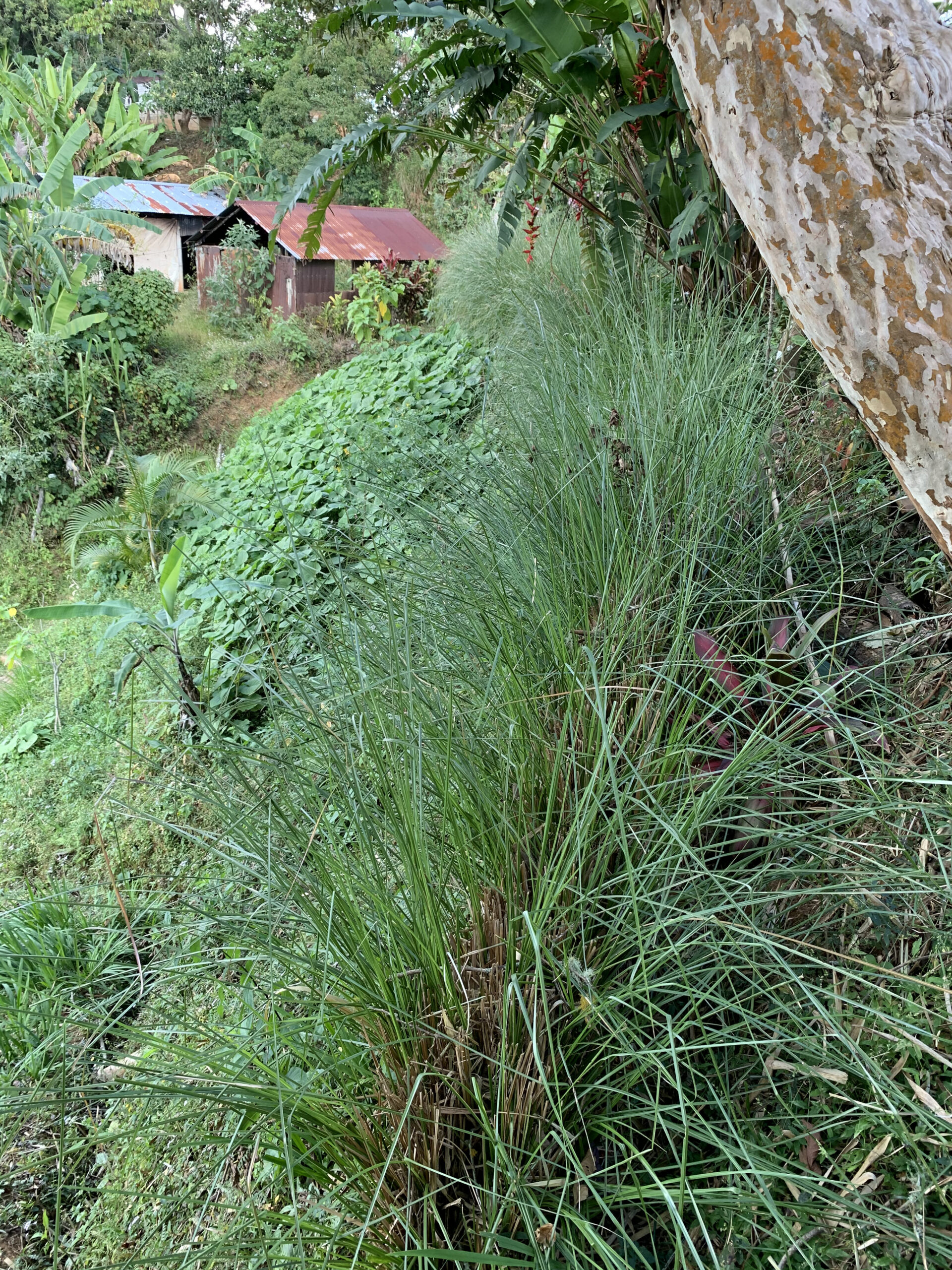
Hardy vetiver grass proves useful for erosion control in southern Oaxaca, México
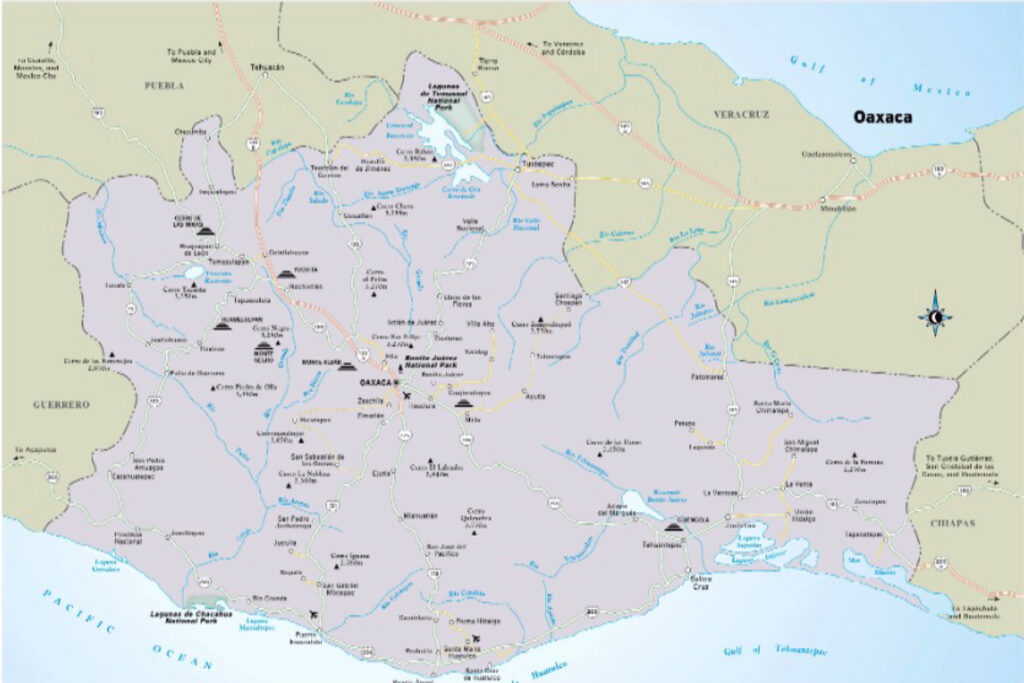
OAXACA IS THE FIFTH-LARGEST state in México, the country’s first in cultural and biological diversity, and home to 14 distinct indigenous peoples and 23 distinct languages (Fig. 2). It is approximately the size of Portugal and almost twice the size of Costa Rica. It contains 80% of the vegetation types present in México (more plant diversity than Europe), and its climates range from semi-desert to tropical rain forest. Much of Oaxaca’s original forest is intact.
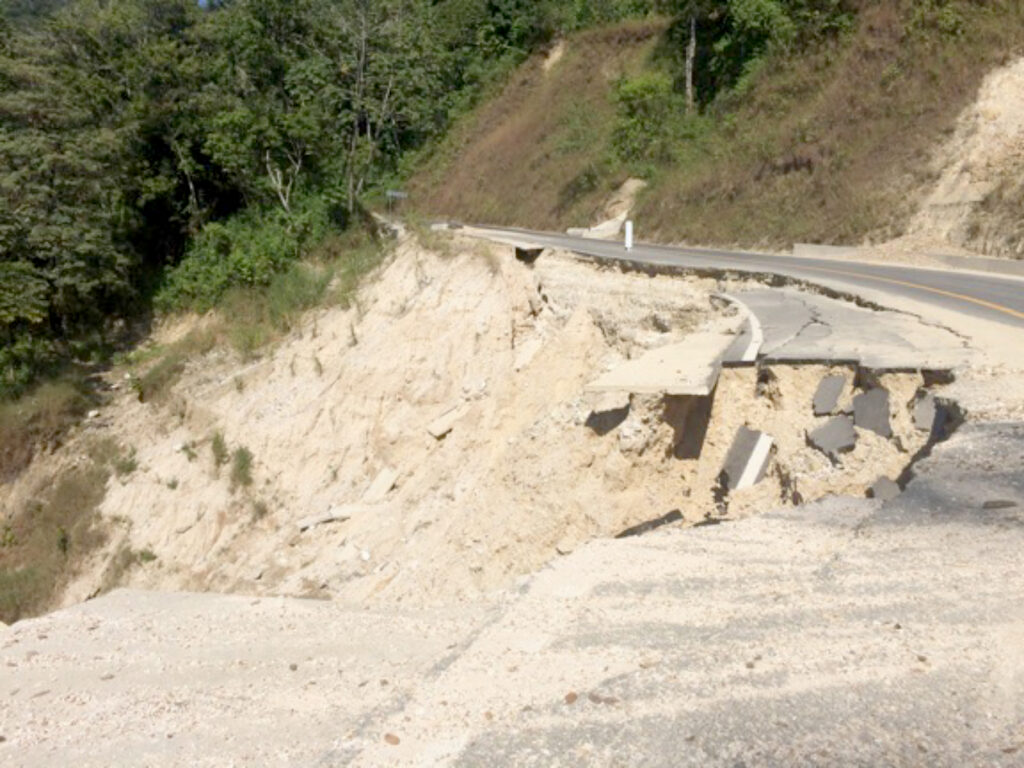
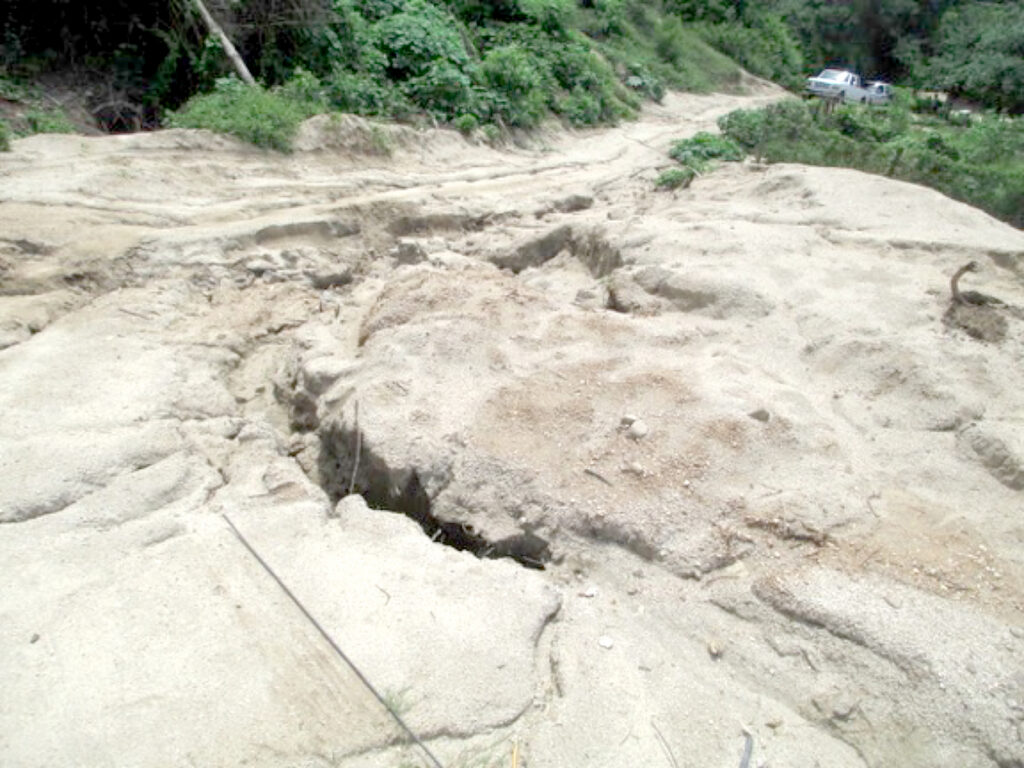
Oaxaca is a Spanish adaptation of the náhuatl word Huāxyacac—a name imposed by the conquering Aztecs that means “place where the huaje tree (Leucaena leucocephala) grows.” The state is mostly mountainous and experiences serious erosion problems resulting from land use conversions including road cuts, fill slopes, new construction, cultivation, grazing, and timber harvesting (Figs. 3–5).
Most of the state has two seasons: rainy and dry. During the rainy season, heavy rains exacerbate erosion problems. Most of the land development addressed in this article has been completed at the municipal or local level, while the federal government in México City is responsible for developing and maintaining the federal highway system.
Long-term source control at the local level is often inadequate, requiring repeated repairs and maintenance. Slope failures occur on a continuous basis due to poor engineering and lack of proper drainage assessments, especially along road cuts. Some sections of road are rebuilt year after year; cuts often go ignored, with eroded and unconsolidated material pushed over to the fill slope.
The typical hard-engineered erosion control methods implemented in Oaxaca include gabions, rock fall netting, geotextiles, and concrete. Underappreciated and rarely used are biotechnical (vegetative) methods, alone or in combination with other structural solutions.
A Potential Biotechnical Solution
Vetiver is a tufted, fibrous, deeply rooted, and fast-growing perennial grass native to southern India. It has been used for biotechnical engineering and erosion/sediment control for decades. The genotypes in circulation don’t produce seed or don’t produce viable seed.
Due to its non-stoloniferous, non-rhizomatous root structure and lack of seed production, the vigorous and highly adaptable plant is noninvasive. Vetiver therefore poses no threat to native plant communities and can contribute to their natural reestablishment.
Vetiver’s stiff leaves and stems provide a perfect barrier to sediment while established roots (up to nine feet) act as a subterranean retaining wall and stabilize slopes, providing both erosion and sediment control. It can be used by itself or in conjunction with other methods, such as rock, gabions, and geotextiles. In many applications, simple tools such as shovels, ladders, and ropes may be all that’s needed to get it established.
Vetiver grass has been planted extensively worldwide in tropical and subtropical climates and can be found in Louisiana, Florida, and Texas in the United States, where deep freezes don’t occur. It has also been used in Brazil, China, the Democratic Republic of Congo, Australia, Indonesia, Venezuela, Vietnam, Thailand, India, the Philippines, Senegal, Zimbabwe, Nigeria, Colombia, El Salvador, Nicaragua, Guatemala, and Costa Rica. It made its debut in Oaxaca, México, more than 25 years ago.

Growth Characteristics and Adaptability
Soils. Vetiver has a tolerance to a wide range of soil types with pHs ranging from 3 to 11. It thrives in a variety of soil textures, from coarse gravel to decomposed granite to fine and shifting sands to clay. It can grow in saline and sodic soils, soils with very high manganese and aluminum content, and soils with high concentrations of heavy metals.
Moisture. Although vetiver is hydrophilic and needs watering to establish in dry climates, it can tolerate long periods of drought; its stems die back, but the roots persist. In a climate that has two distinct seasons (drought and rain), it’s best to plant vetiver about a month before the rainy season starts if regular watering or irrigation isn’t feasible. It can also tolerate prolonged periods of inundation.
Shade. Vetiver is not shade-tolerant. This can be advantageous if used as an erosion control “nurse” crop, with the natives colonizing after stabilization has occurred, shading out the vetiver plants.
Other characteristics. Vetiver has an ability to repel pests thanks to compounds such as nootkatone in its roots. The oils repel ants, ticks, and termites. The plant can control the larvae of stem borer corn moths and inhibit destructive nematodes. Field investigations show that vetiver barriers planted around corn can act as a reservoir for beneficial insects.
Vetiver’s coarse fibers can be woven into baskets, and its leaves can be used as an alternative to palm fronds for thatched roofs (palapas). The roots are fragrant, and the plant’s essence, often called false patchouli, is an ingredient in the well-known perfume Chanel No. 5. Vetiver can be made into wreaths or planted and pruned as an ornamental hedge.
Vetiver can be planted in rows along flow lines to direct or concentrate runoff instead of enhancing infiltration. It is mycorrhizal, and its roots can serve as a source of inoculants in soils lacking spores or hyphae. Vetiver is effective for phytoremediation, wastewater treatment, and wetland restoration where water quality has been compromised. Research carried out by Dr. Paul Truong shows that absorption by the vetiver plant can dramatically reduce pollutants.
Installation. Tillers (Fig. 6) are typically used on slope stabilization projects. Since vetiver does not spread by the roots, tillers need to be closely spaced, +/-6 in apart (+/-15 cm). Only a shallow ditch is needed—4 to 6 inches (10 to 15 cm) in depth and 4 in. (10 cm) wide. Trenches should be prewatered and tillers placed so that the crowns of the plants are flush with the soil surface, back-filled with moist soil, and watered until the tillers are well rooted.
This work and publication was conducted in collaboration with Larry Woelfel (Bahias de Huatulco), Roley Nofke (South Africa), Norma Perez (Bahias de Huatulco), Leslie Yerrington
and Barry Logan (Pluma Hidalgo), and Larry Turk (Reno, Nevada). For more information, visit vetiver.org.

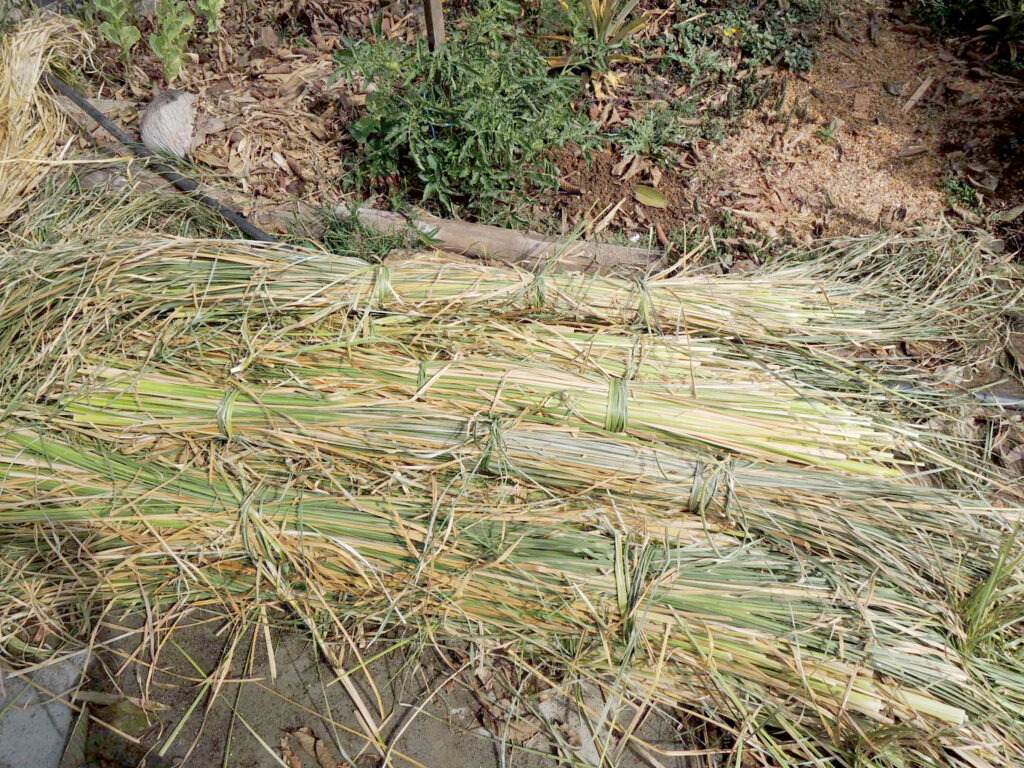
Frequency and volume of irrigation will vary with climate, aspect, soil type, and season. Once established with several feet of stem growth, the stems can be cut close to the crown to encourage new tillers to reproduce laterally. Stems can be used as mulch and bundled into fascines (Fig. 7).
On-site in Oaxaca
In 2013, WBS purchased a box of bare-root vetiver tillers from Benemérita Universidad Autónoma de Puebla (Fig. 8) and reinitiated its use along the coast by establishing several small nurseries and projects. The intent was to increase vetiver’s use through broader distribution and education.
Small projects were implemented in 2013, and training workshops began in 2015 on steep slopes at small organic farms and in the coffee-growing region of Pluma Hidalgo. Pluma is an area that has been inhabited relatively recently, and it suffers from severe slope failures that result in property loss, road closures, decreased productivity, and almost constant road repairs.
Rural Schools
Since 2020, 10 projects have been completed, many benefiting rural schools. In Puente Todos Santos, schools tend to stand on donated land and have small footprints that lead to steep cuts and fills. Stabilization is typically an afterthought.
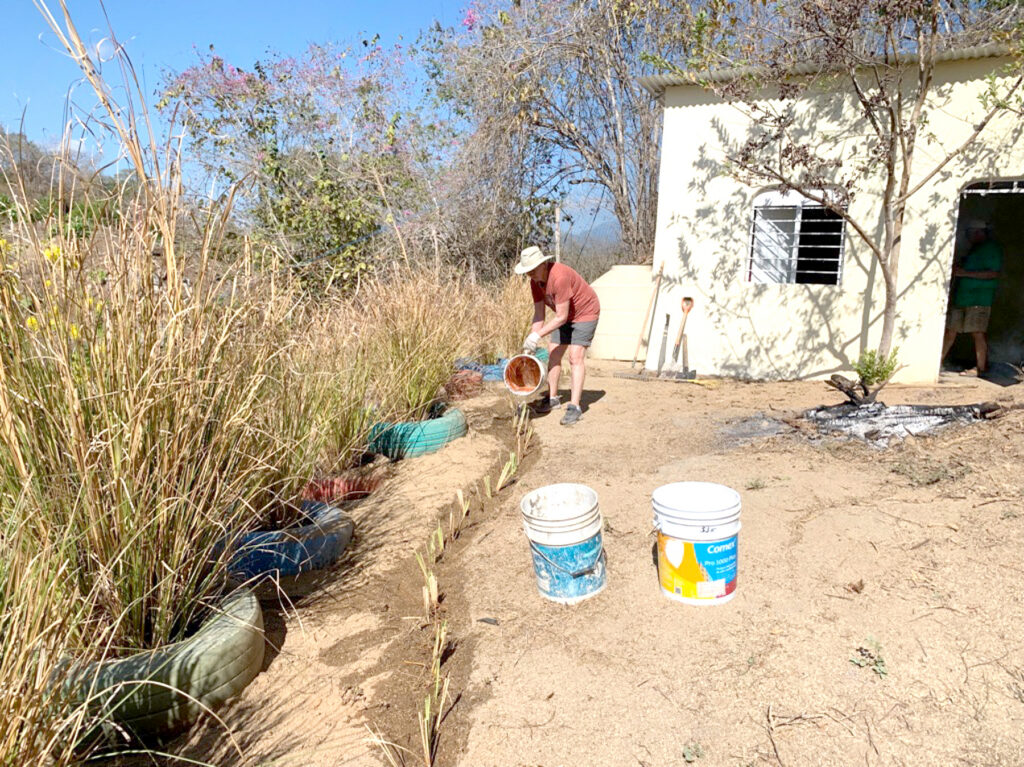
Recycled tires are a common erosion control method; they can be backfilled and planted with vetiver and other horticultural species. Watering was necessary for establishment at these sites, since the projects were implemented in the dry season. Training workshops in 2021 and 2023 allowed additional plantings at the top of the fill slope.
Small Organic Farms
Government-supported programs assisted two ranchos (small farms) to develop organic produce through SEMARNAT (Secretaría de Medio Ambiente y Recursos Naturales, or Secretary of the Environment and Natural Resources) with sustainable projects.
Two small farms of approximately 3.5 acres (1.4 ha) each received planting support. One farm planted vetiver hedgerows in newly cleared fields; the more developed site got top-of-slope vetiver erosion control plantings and hedgerows. Both farms had supplemental irrigation available through wells and gravity flow. Additional assistance included the establishment of compost piles for soil enrichment and planting seedling flats with organic seed.
Additional Parcels
On the steep slopes of Pluma Hidalgo, tillers were planted at the top of a cut slope in an effort to prevent slope failure and the loss of limited cultivable property. The fill slope is approximately 2:1 and the cut is vertical; in addition to planting and irrigating to allow for plant establishment prior to the rainy season like the two rancho plantings, fascines were tied with vetiver stems and placed in the trenches behind the tillers. On the lower fill slope, the fascines were intended to support the back wall of the trench, while on the upper slope, they served to increase infiltration.
Montecito. At a luxury development of high-end houses overlooking the Pacific Coast, the developer chose to use vetiver to stabilize 2:5:1 fill slopes instead of a hard engineering solution such as gabions, terraced retaining walls, or concrete. Highly successful technically, the installation also resulted in substantial savings for investors and developers. No erosion has been noted since installation.
About the Expert
Julie Etra, MS, CPESC, is president of Western Botanical Services (WBS) Inc. in Reno, Nevada.