Conference helps participants grow as leaders through immersive sessions, collaboration, and workshops
By Jacob Burkey
IN TODAY’S FAST-PACED, COMPLEX world, leadership in engineering and science is more critical than ever. The Emerging Leaders Alliance (ELA) is a unique opportunity for rising erosion control and stormwater professionals to develop the leadership and interpersonal skills needed to lead teams, drive innovation, and shape the future of their industries.
ELA was founded in 2008 as a cooperative initiative between several engineering organizations that saw a common need to cultivate leadership in the engineering and scientific communities. It is currently supported by the following partners:
- International Erosion Control Association (IECA)
- American Concrete Institute (ACI)
- Association for Iron & Steel Technology (AIST)
- Society for Mining, Metallurgy & Exploration (SME)
- The Minerals, Metals & Materials Society (TMS)
- Society of Petroleum Engineers (SPE)
Leadership is more than management, however. It’s the art, science, and craft of influencing people to accomplish tasks and improve organizations. ELA helps participants understand and embrace this broader definition through immersive sessions, peer collaboration, and expert-led workshops.
What IECA Participants Are Saying
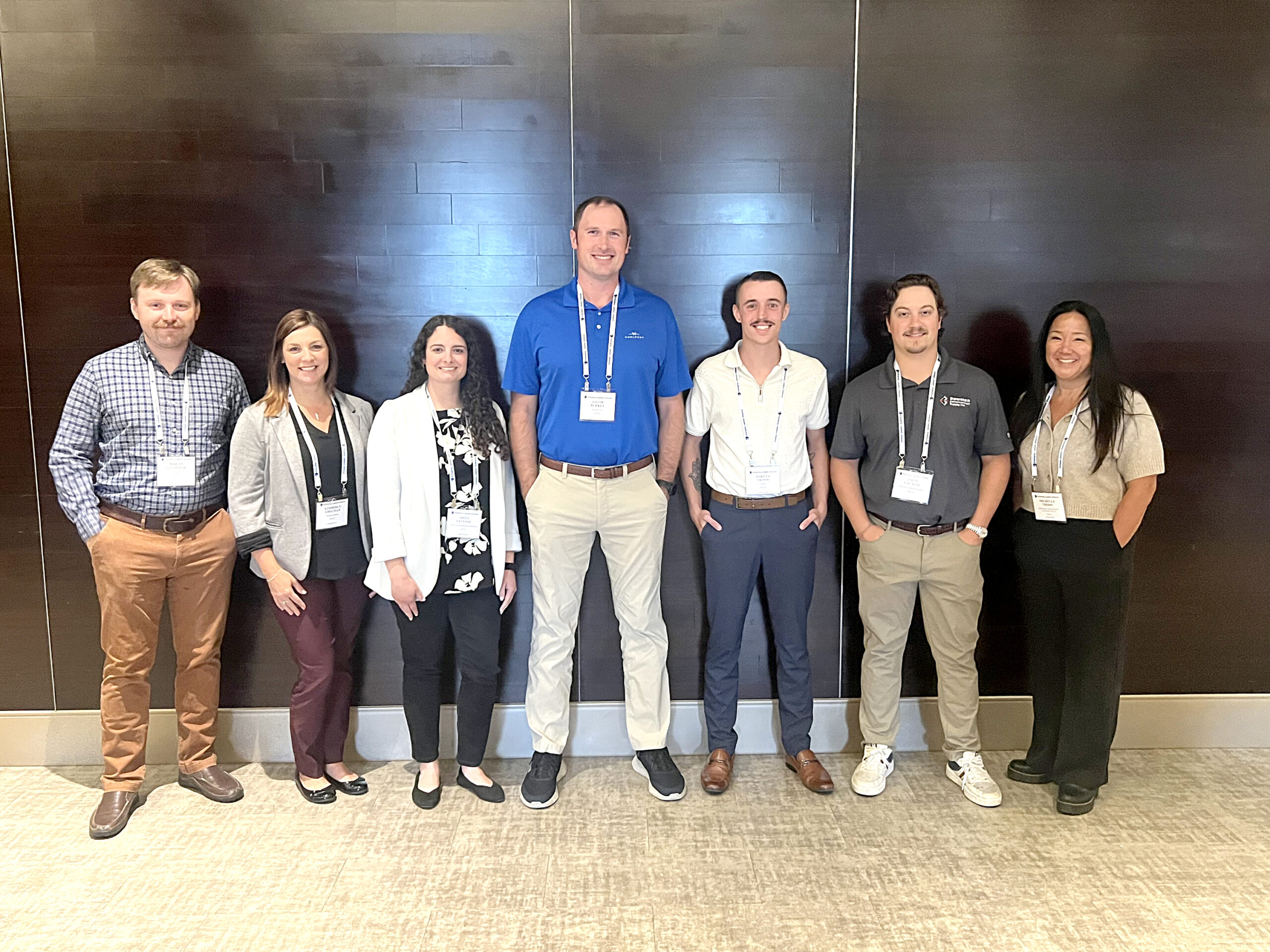
IECA sponsors seven professionals to attend the ELA conference each year. Here is what recent attendees said about their experience:
“Before the conference, I didn’t really think of what I did as a ‘leadership’ role. After participating in the conference, I realized that my management role is more of a leadership role, and we have to model the behavior we expect our team to follow. I have to be clear and upfront with my team, so they know my expectations on projects. The one skill that I’ve used most since the conference is negotiating. I have to negotiate with people all the time to find appropriate deadlines and project timelines.”
“I really valued the interpersonal session we had about making social networks. As one transitions to a more [managerial] role, a wide social network is needed, and it is hard work building that network. I now leave my office door open and have had a lot more interactions with my coworkers.”
“I was unsure of what to expect from a leadership training, and admittedly a little skeptical. After attending ELA, I now realize how much I didn’t know what I didn’t know. When you hear world-class experts break down topics such as negotiation, feedback, collaboration, conflict resolution, stress management, and public speaking, the topics come to life. They analyzed these ‘soft skills’ in a technical and academic manner that resonated with my own technical background and mindset. I feel like I just received a college course in three days.”
“I found the personality assessment and the management soft skills sections particularly insightful. Regarding networking opportunities, [it was] maybe one of the best experiences I’ve had in my career so far in terms of the group assembled.”
“I really enjoyed getting to know other IECA members on a more personal level. I felt like we got to build a personal and a working relationship with the people in our ELA cohort.”
“I would recommend this conference to other people who have recently transitioned to a management role or have to lead teams. The conference touches on so many aspects of work, work-life balance, networking, and leadership. I enjoyed how they incorporated sessions on (1) giving feedback to different types of personalities; (2) stretches you can do at your desk; and (3) different ways you can network [and] what to talk about when you network.”
“I thought the ELA was one of the more informative and applicable conferences I have attended. One of the big takeaways was how important and beneficial meditation can be throughout the day. It is so easy to get wrapped up in the fast-paced work environment and not take the appropriate amount of time to rebalance yourself.”
“It was enlightening to engage in the social styles (analytical, amiable, driving, and expressive) exercise to learn how your work colleagues perceive your patterns, strengths, and weaknesses, and see how this can differ significantly from your self-perception. I regularly think about the social styles and tendencies discussed at ELA in my interactions with colleagues and clients, and this has helped me to lead stronger and more effective teams.”
“Over the three-day event, I met and bonded with like-minded individuals across related industries, learned from world-renowned subject matter experts on a multitude of business-related topics such as stress management and negotiation, and was shown aspects of myself to which I was blind. The event left a lasting impression on me, providing me with a lot of useful information to think about and skills to learn. If you have the opportunity, I highly suggest attending the event.”
Who Should Attend
ELA is designed for young professionals who are ready to take the next step in their careers. Typically 25–35 years old, they are:
- Employees of industry and government agencies. Rising or current middle managers and technical staff leaders (e.g., associate research consultants, research specialists) with potential for executive or fellow-level roles.
- Academics. Professors with six or more years of experience, especially those leading research groups or centers and aspiring to leadership positions such as department chair or dean.
- High achievers. Individuals with a strong record of personal and organizational success—published research, awards, promotions, or leading successful teams.
- Members of organizations without internal leadership programs. Preference is given to professionals from smaller companies, academic institutions, or government agencies lacking formal leadership development.
- International participants. The ELA welcomes global applicants to expand its diverse network.
Why Apply or Nominate?
The ELA is more than a conference—it’s a launchpad for future leaders. Whether you’re stepping into a new management role, leading a technical team, or aspiring to influence your organization at a higher level, ELA provides the tools, connections, and confidence to succeed.
Apply today or nominate a rising star in your organization to become part of a growing network of professionals who are shaping the future of engineering and science: bit.ly/IECA-ELA.
About the Expert
Jacob Burkey is a project manager and water resources engineer at Woolpert Inc. and chair of the IECA Professional Development Committee. He has more than 14 years of experience specializing in stormwater management, erosion and sediment control, post-construction water quality, and environmental monitoring.