Call for innovation 2 / Peer Reviewed
While the chemicals have become essential to the industry’s work, planning is the real innovation in flocculant application
By Kyla J. Iwinski-Wood, Ph.D.
WITH APPLICATIONS THAT SPAN soil stabilization, dust suppression, vegetation establishment, and water treatment, flocculants have become a go-to for conserving soil, improving water quality, and supporting compliance with strict regulatory standards. After decades of successful use, however, the innovation in flocculants today lies not in the chemistry itself, but in the structured, site-specific planning that directs their use.
Established and Accepted
The most prevalent flocculant in use for erosion and sediment control is anionic polyacrylamide (PAM), a long-chain, water-soluble polymer with nearly a century of research and use behind it. By the early 2000s, control programs had begun allowing polymers, flocculants, and coagulants to help meet construction general permit (CGP) requirements.
Some jurisdictions have been hesitant to approve or regulate chemical treatments, often due to misconceptions or gaps in understanding. Regulatory agencies and site operators already manage dozens of best management practices (BMPs), and chemical use introduces added complexity.
Unlike a misplaced silt fence or poorly staked wattle that may perform poorly or require reinstallation, improper chemical use carries higher stakes. Specifying the wrong polymer, dosing incorrectly, or applying a chemical under unsuitable conditions can render the treatment ineffective and increase the potential for environmental impacts.
Implemented correctly, flocculant-based systems are environmentally safe tools that improve water quality, stabilize soils, and maintain compliance. Careful design, testing, and documentation are essential to responsible flocculant use.
Bridging the Gaps
One of the challenges associated with flocculant use is the gap between laboratory science and field application. Research has established safe-use thresholds, compatibility parameters, and performance expectations, but these may be overlooked in practice.
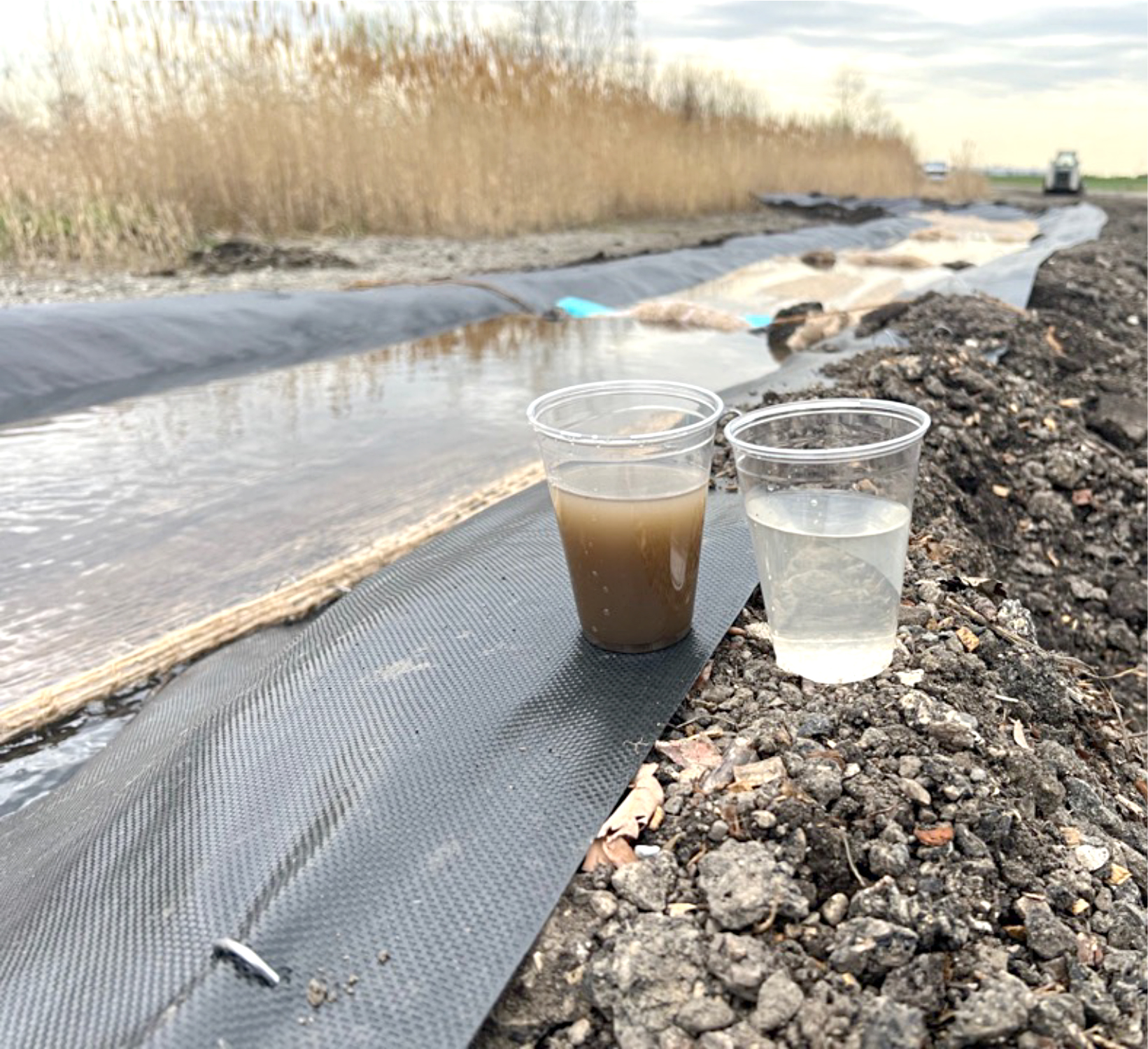
A common example is the inconsistent use of performance testing and soil matching. Performance testing should be used to confirm that the selected flocculants are compatible with a site’s unique soil and water chemistry. If testing is skipped, the chemicals may not react or bind with soils or other targeted particles, decreasing efficacy and leading to the discharge of unreacted polymers off-site with no improvement in water quality or clarity.
Structured flocculant plans address this by requiring documentation of site-specific testing data, product specifications, and application procedures. In doing so, they reduce variability, ensure safety, and increase confidence in performance and compliance.
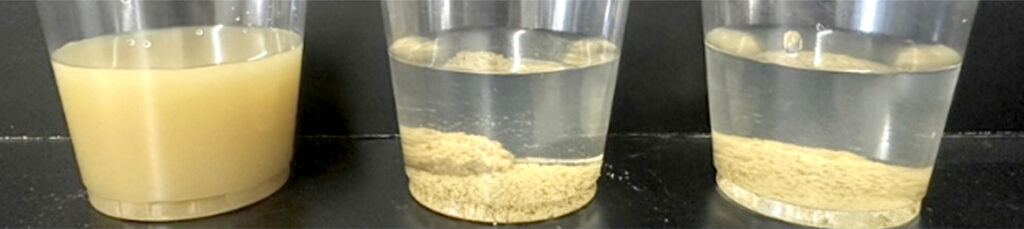
untreated sample, a sample with Floc Log treatment, and a sample with Silt Stop granular
polymer treatment.
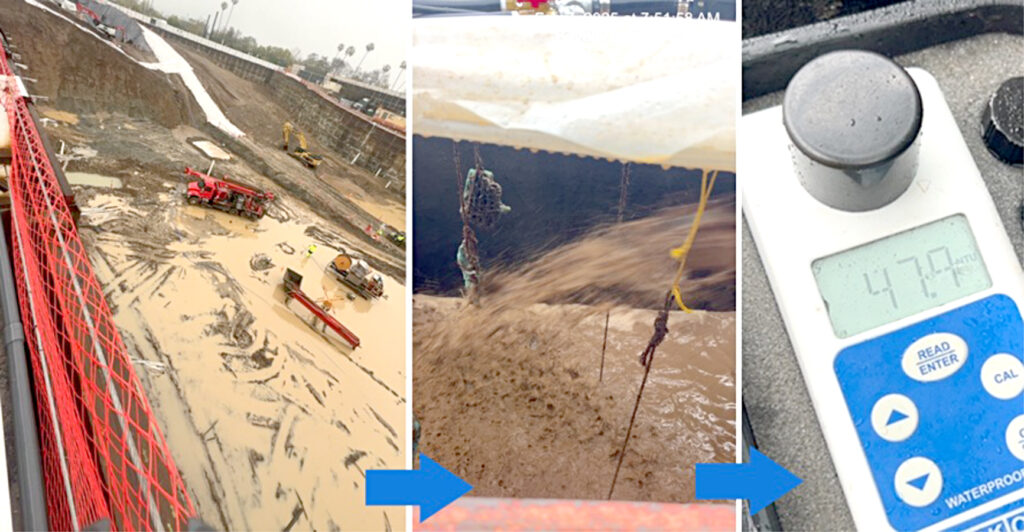
Photo: Matthew Renaud, NV5
Best Practices Within Existing Standards
Strategic planning for flocculant use is not new. Long before regulations required it, many in the industry have supported planning and design through hands-on training, testing guidance, and application troubleshooting to make chemical treatment safe, effective, and compliant.
Most states and the federal EPA now provide clear, science-based frameworks for the safe use of flocculants. These include standards on product type, guidance on appropriate application, and minimum training for designers and operators. Such safeguards have helped thousands of projects nationwide use flocculants responsibly and effectively.
Still, flocculant plans are not a mandate, but a best practice that ensures the chemistry, application, and monitoring required by regulations are clearly defined, documented, and executed. They create consistency, reduce uncertainty, and support reliable implementation—even under challenging site conditions.
Lessons From California
The concept of formal, documented flocculant plans attracted additional attention when California incorporated passive flocculant-based stormwater treatment systems into its regulatory framework and required comprehensive flocculant plans as a prerequisite for approval. Initially, the requirements were met with skepticism for adding cost and complexity, but as projects began implementing plans, the benefits became evident.
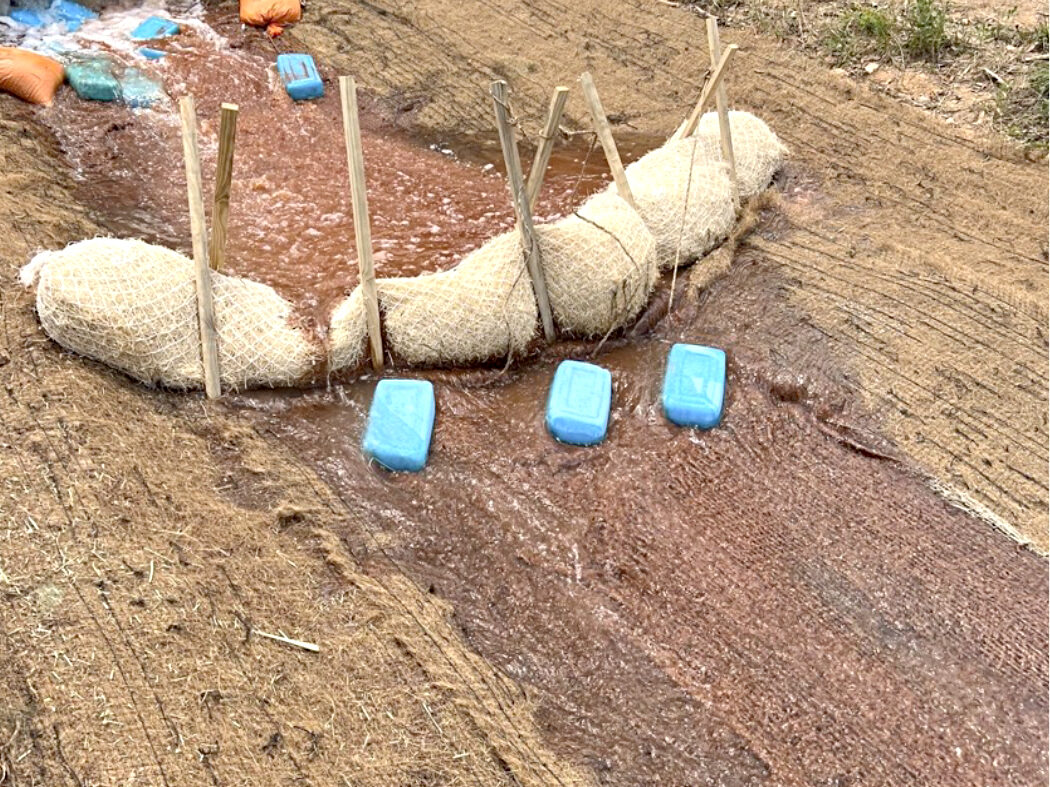
The plans provided clarity and coordination. They brought designers, manufacturers, regulators, and contractors together on the same page, outlining every aspect of chemical use—including what product would be applied, where, how, and at what rate—before a single floc log reached the site. Transparency reduced uncertainty, improved communication, and set expectations for safety and performance.
Today, states that once hesitated to allow chemical treatments are increasingly using structured flocculant planning to improve confidence, consistency, and results. Even states such as Oregon and Virginia are showing interest in structured flocculant plans as a way to streamline project review and approval. Flocculant plans aren’t the only way to win approval, but they help agencies evaluate proposed polymer use more confidently.
Anatomy of a Plan
The level of detail required in a flocculant plan varies depending on project size, sensitivity, and regulatory oversight, but effective plans share common technical elements that support safety and performance:
- Performance verification. Laboratory or field testing validates chemical compatibility and effectiveness under site-specific soil and water conditions.
- Product specifications. Manufacturer-provided data should describe polymer type, charge density, molecular weight, certification information such as
NSF/ANSI Standard 60, and
toxicological data. - Application design. This defines treatment areas, dosing rates, reapplication intervals, and delivery methods.
- Integration with nonchemical BMPs. Coordinating chemical and physical controls ensures that the flocculant enhances overall system performance rather than replacing traditional BMPs.
- Environmental and safety data. Information documents aquatic toxicity thresholds, safe-use concentrations, and handling or disposal protocols.
- Monitoring and adaptive management. Detailed procedures for observation, sampling, and adjustment help verify results and maintain compliance.
By incorporating these elements, a flocculant plan can become a predictable, auditable, and defensible framework for chemical BMP implementation, transforming chemical use from reactive troubleshooting into a proactive, science-driven process that delivers better environmental outcomes.
Performance and Sustainability
Structured use of flocculant plans enhances performance, compliance, and sustainability. By aligning chemistry with site conditions and controlling application rates, plans often reduce the amount of polymer needed to meet targeted turbidity reductions, minimizing chemical use, preventing residual transport, and lowering the risks associated with improper chemical selection and dosing.
Flocculants also provide benefits traditional BMPs alone cannot. Physical controls such as silt fences, wattles, or sediment basins are effective at capturing larger particles but have limited ability to remove fine clays, silts, and dissolved metals; flocculants bridge that gap. Small, precisely dosed quantities can aggregate fine particulates into settleable floc, improving the performance of existing BMPs.
By improving the capture of fine sediment and metals, flocculants help keep soil on site and prevent sediment and contaminants from entering receiving waters. Cleaner water and reduced maintenance extend the lifespan and efficiency of BMP systems, reducing environmental and economic costs while improving compliance and enhancing long-term sustainability.
Site-Specific Success
Flocculants are reliable and sustainable tools when applied within existing state and federal standards. But developing a site-specific plan—even when one isn’t required—helps ensure consistent success. Proactive planning reflects industry leadership in responsible flocculant application.
Flocculants are no longer a last resort; they are a frontline tool for meeting regulatory standards. But after more than 30 years in the field, their safe and effective implementation depends on intentional planning and documentation. Strategic planning takes users from guesswork to game plan, advancing the performance and sustainability of erosion and sediment control.
About the Expert
Kyla Iwinski-Wood, Ph.D., is co-owner of Applied Polymer Systems Inc. She has more than 15 years of experience in erosion, sediment, and stormwater management. With expertise in polymer research, regulatory compliance, and environmental toxicology, Iwinski-Wood works to advance safe, effective, and sustainable polymer application in the construction, industrial, and municipal sectors.
References
- U.S. EPA. National Pollutant Discharge Elimination System (NPDES) Construction General Permit (CGP). 2022. epa.gov/npdes/stormwater-discharges-construction-activities
- California State University, Sacramento–Office of Water Programs (CSU OWP). Passive Chemical Treatment Systems: Design Guidance for Stormwater Applications. 2023. owp.csus.edu/research/passive-dose/passive-chemical-treatment.pdf
- U.S. Department of Agriculture, Natural Resources Conservation Service (USDA-NRCS). Practice Standard 450: Anionic Polyacrylamide (PAM) for Erosion Control. 2017. nrcs.usda.gov/resources
- Maryland Department of the Environment (MDE). MDE Flocculants—Chemical Additive Forms and Guidance: Standards for Use of Treatment Chemicals for Sediment Control. mde.maryland.gov/programs/permits/WaterManagementPermits/Pages/MDFlocs.aspx
- Wisconsin Department of Natural Resources (WI DNR). Technical Standard 1051—Water Application of Additives (Polymers/Flocculants) for Sediment Control. 2018. dnr.wisconsin.gov/sites/default/files/topic/Stormwater/1051WaterAppliedAdditives.pdf
- California State Water Resources Control Board (SWRCB). 2022 Construction General Permit Attachment G: Requirements for Passive Treatment Systems. 2022. waterboards.ca.gov/water_issues/programs/stormwater/construction.html
- U.S. Environmental Protection Agency (EPA). Best Management Practice (BMP) Fact Sheet: Chemical Stabilization (Soil Applications). 2021. epa.gov/system/files/documents/2021-11/bmp-chemical-stabilization.pdf
- U.S. Environmental Protection Agency (EPA). Best Management Practice (BMP) Fact Sheet: Treatment Chemicals for Particulate Removal from Construction Stormwater. 2021. epa.gov/system/files/documents/2021-11/bmp-treatment-chemicals-for-particulate-removal-from-construction-stormwater.pdf
- Sojka, R. E.; Bjorneberg, D. L.; Entry, J. A.; Lentz, R. D.; and Orts, W. J. Polyacrylamide in Agriculture and Environmental Land Management. Advances in Agronomy, 92, 75–162. 2007. doi.org/10.1016/S0065-2113(04)92002-0